


Disclaimer: Some links on this site are affiliate links, meaning that if you click on a link and later make a purchase, we may earn a small commission at no additional cost to you.
The North Coast 500, or NC500, is often described as Scotland’s ultimate road trip – and for good reason. The official route covers 516 miles through the northern Highlands, taking in wild landscapes, remote villages, and some of the most stunning coastal scenery in the UK.
After driving the route twice in a 6-metre campervan, we’ve pulled together our guide to the best NC500 stops — including castles, beaches, scenic viewpoints, and a few unexpected gems. This isn’t a tick-box list of every attraction on the map; it’s our personal take on the top places to see on the NC500, based on what we actually visited.
All the NC500 attractions mentioned in this guide are pinned on the map below, along with nearby parking where available, so you can plan your stops and see distances at a glance.
Most Iconic NC500 Stop
John O’ Groats

John O’ Groats is a key place to visit on the NC500 route. You can take a stroll down the coast, catch a ferry to Orkney, or head to the brewery and distillery if you’re partial to a tipple.
We opted to get some chips from The Cabin, which were very tasty, grab some NC500 merch, and take some pictures with the iconic signpost.


You can see a difference between these two pictures; in 2019, the signpost had stickers from around the world decorating it, and it was amazing to see how far some people had travelled. And so, when we returned in 2020, I was disappointed to find that all the stickers had been removed! I feel that the stickers added more character and charm.
Best Castles on the NC500
Dunrobin Castle

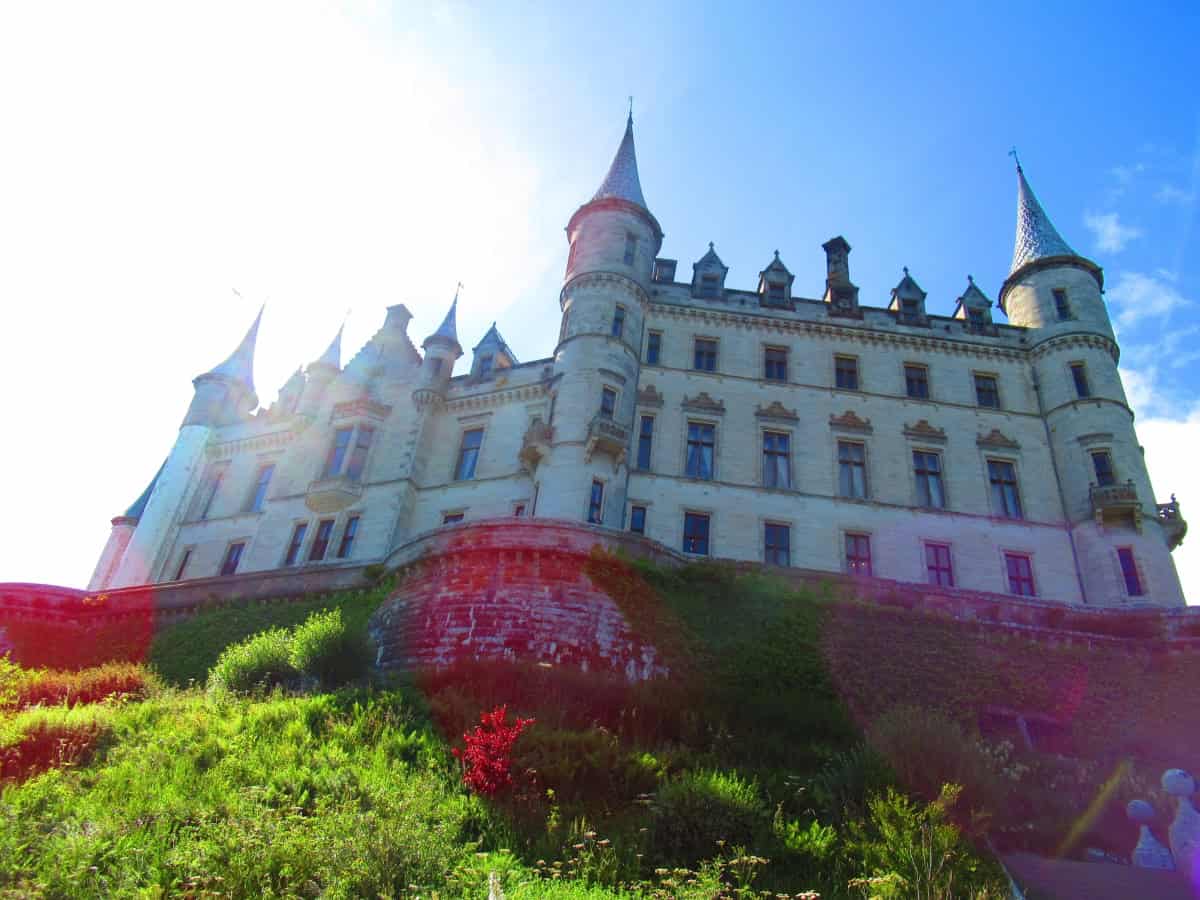
I love Dunrobin Castle. When I was a kid, I used to dance around proclaiming that I was born in a castle, and so this felt like a homecoming.
Our first visit was in July 2019 with my in-laws’ dog, Skye. Sadly, Dunrobin isn’t dog-friendly (only assistance dogs are allowed in the castle or gardens), so Hayden waited outside with Skye while I had a quick wander through the gardens. I didn’t linger long, but even that short glimpse was lovely.
When we returned in August 2020, this time dog-free, we bought the full entry tickets and explored the castle. It’s worth noting that there’s no free access to the gardens anymore; entry includes the castle interior, museum, gardens, and falconry display.
The castle itself was interesting to look around, with some interesting exhibits. Still, I recommend it more for those interested in looking at the displays and reading up on the history and architecture.
As for the gardens, everyone can enjoy a stroll through this beautiful landscape. We enjoyed walking through and looking at all the different flowers and features. They’re beautifully laid out with fountains, floral borders, and neatly trimmed hedges; a peaceful place to slow down on your road trip.


There’s also a falconry area tucked into the garden grounds. While we didn’t catch a live display, we did see the birds perched on their stands. If you’re keen to see the falconry in action, displays usually run from April to October – check the official Dunrobin Castle website for up-to-date timings.


Castle Sinclair Girnigoe

Castle Sinclair Girnigoe was a fantastic stop, combining a dramatic coastal setting with atmospheric ruins. There are helpful information boards along the footpath, explaining different features of the castle and how it changed through the centuries. It honestly brought back memories of my GCSE History classes!


To reach this castle, park up at Noss Head car park. The footpath leading to the castle is opposite the car park.
While in the area, you can also walk out of the car park, turn right, and head to Noss Head lighthouse. In good weather, you should be able to see north to the Duncansby Stacks.
There’s also a beautiful little shingle beach just beyond the castle, which you can reach via a narrow path. It’s worth the detour if you fancy a peaceful spot by the sea – just be aware the path can be a little steep and overgrown with nettles, so sturdy shoes (and maybe long trousers!) are a good idea.


Castle Varrich
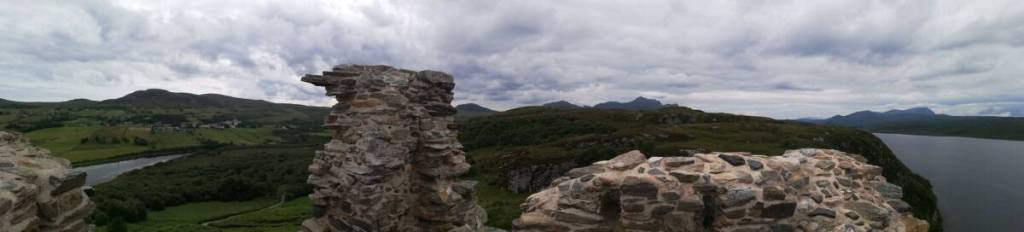
I can’t believe I didn’t take a photo of Castle Varrich itself – but at least you can see the view from the top! The walk to the castle takes around 30 minutes, and the trailhead is marked on Google Maps as Castle Varrich Footpath. There’s a small parking area nearby, which we’ve pinned on our map above for easy reference.
Make sure to set your GPS to the footpath, not the castle itself. I made that mistake when navigating for Hayden, and we ended up having to turn back around!

The trail was pleasantly quiet when we went – it was a dreary day, but honestly, I was grateful for the cooler weather. The incline is steady, and there are a few benches along the way if you fancy a rest.
While there’s not much left of the castle itself, there are interpretation boards along the route that share a bit of history, and a metal staircase takes you up to the top for panoramic views over Tongue and the Kyle.
After the walk, I recommend popping into the post office in Tongue for a little tub of Isle of Arran ice cream.
Ardvreck Castle

Ardvreck Castle and nearby Calda House both have fascinating histories, which you can read about on the information boards at each site. We enjoyed exploring the area; it’s not a long walk between the two, so it’s well worth visiting both.
The surrounding scenery is absolutely stunning. It’s wild to imagine what it must have been like to live here when the castle and house were in their prime!


Beautiful NC500 Beaches
Strathy Beach

Strathy Beach is one of my favourite places on the NC500 route; the views are stunning, the beach is fairly quiet, and there’s a well-maintained toilet block in the car park (with a donation box to help keep it running).


We originally found this spot on Park4Night and stayed here in our van during visits in 2019 and 2020, with no issues at the time. Waking up to that view was something special, and something we will always cherish.
However, the car park is next to a cemetery, and signage now clearly states that overnight stays in campervans, motorhomes, or roof tents are not permitted. It would appear that daytime parking to access the beach is still welcomed, but please be sure to park with consideration for others and the environment, and respect all signage.
Ceannabeinne Beach

Ceannabeinne Beach is gorgeous, but parking is limited. There’s a small designated car park, and some additional laybys along the road – but please avoid blocking access, parking on grass verges, or stopping in passing places, especially as the A838 narrows to a single track west of the beach.
This beach is also home to the Golden Eagle Zip Line, which soars about 100ft above the ground. I didn’t do it and honestly regret it – just look at the view! If you’re feeling brave, definitely give it a go (and yes, I’ll be very jealous).
If zip lining’s not your thing, there’s still plenty of space to unwind. Whether you fancy a picnic on the grassy bank or a peaceful wander along the sand, it’s a brilliant stop.


Balnakeil Bay

Balnakeil Bay is beautiful – and a dream for drone photography! White sand, clear turquoise waters… who says you need to go abroad for views like this?
We took a relaxing walk along the beach here, and it was the perfect spot to stretch our legs and take a breather from the NC500 drive. It’s a peaceful stop that captures the beauty of the north coast.


Oldshoremore Beach

Hot dogs or hot legs? I never thought we’d be sunbathing on the north coast of Scotland – but here we were! The water was freezing, so if you’re tempted for a dip, just be prepared!
The beach is a short walk from the car park, which is complete with a toilet block, and the soft sand and sweeping views make it well worth a stop. I’ll never get over how beautiful Scottish beaches can be.
When we visited, we parked up and stayed the night, which meant we were treated to an unforgettable sunset – definitely one of my NC500 highlights. However, there are now signs clearly stating no overnight parking, so please respect these and park responsibly to help keep spots like this accessible for everyone.


Scenic Viewpoints & Natural Wonders on the NC500
Loch Ness

The NC500 officially starts and ends in Inverness. While we skipped the city itself (parking a 6m van in the city? No thanks), we couldn’t resist a detour to try and spot good ol’ Nessie.
Our original plan was to visit Urquhart Castle, which sits right on the shore of Loch Ness, but the whole area was heaving. We couldn’t get parked anywhere near it – definitely one of the more popular stops on the route. Instead, we pulled into a layby a little further north on the A82 and just enjoyed the view over the loch. Honestly, after a couple of hours of driving, it was the perfect place to pause and stretch our legs.
If you’re set on seeing Urquhart Castle properly, try to arrive early in the day, especially in peak season. There’s a pedestrian footpath along the A82, so parking a bit further away and walking is doable.
Alternatively, and what we might look into for next time, is booking a Loch Ness boat trip that includes a castle stop. It takes the parking stress out of it (most operators have a car park you can use), and provides a totally different view of the loch. You can browse a few options below:
Hill O’ Many Stanes

The Hill O’ Many Stanes sits just off the A99, making it an easy and convenient stop along your NC500 route, but it’s not something I would go out of my way to see. There is no definite reason why the hillside is home to these stones, but there is an information board that provides some speculation.
What stood out more for us was the peaceful setting and open views, so this may serve as a place to stop for a rest on your journey instead of a key must-see attraction.
Smoo Cave

Smoo Cave is a popular stop along the NC500, and it can get pretty busy. There’s free parking next to the public toilets, but it fills up quickly. Parking along the A838 is no longer permitted, so make sure to follow the signs for the pay-and-display car park opposite the youth hostel, just up the road. There’s also parking in Durness village, which is about a 25-minute walk from the cave.
The cave is accessible year-round, and entry to the main chamber with the waterfall is free. If you want to explore deeper, you can book a guided tour that dives into the cave’s natural and human history.
We stuck with the waterfall chamber, and it was worth it. A really atmospheric spot and well worth a stop.


Knockan Crag National Nature Reserve

Knockan Crag is a haven for those interested in geology. There is a wealth of information on how Scotland formed, and you can see geological features created by the Moine Thrust. But even if geology isn’t your thing, the walk around the reserve provides stunning views.
When we first visited in 2019, it was raining, but it was still a fascintaing place to explore, and we even saw some deer!


Looking to Plan Your Own Adventure?
Whether you’re travelling by campervan like us or planning a road trip with hotel stops along the way, here are a few tips to help you get started:
Campsites and Overnight Parking
While there was confusion in previous years about the Scottish Outdoor Access Code making people believe they could camp in their vehicles wherever, such behaviour has become increasingly restricted. As you’ll have read throughout this post, many well-known spots now have signs clearly stating no overnight parking. It’s important to respect these signs and park responsibly – both to protect the landscape and to keep things positive between tourists and local communities.
To encourage responsible travel, the Highland Council offers a motorhome permit scheme. For £40, you get a 7-day permit that provides access to designated car parks for overnight stays, plus free daily access to showers and changing facilities at any High Life Highland leisure centre during normal opening hours. You can find permit details and a list of participating locations on the Highland Council website.
There are also plenty of campsites along the NC500 route, many in scenic spots and close to key attractions. If you’re travelling in peak season (typically May to September), it’s a good idea to book campsites in advance.
Need a Hire Car?
You can compare car rental options across Inverness and other starting points using Discover Cars. They search across multiple providers to help you find a good deal – ideal if you’re flying in or just don’t fancy putting the miles on your own car.
Prefer Hotels and B&Bs?
The NC500 has plenty of small inns, guesthouses and scenic stays along the route. You can find options and filter by what matters to you using Booking.com.
Frequently Asked Questions
The NC500 is a 516-mile route through the northern Highlands of Scotland, which was launched in 2015 to promote tourism in the area.
The official start and finish of the NC500 is Inverness, the capital of the Scottish Highlands. This means that it’s a very well-connected area to travel to and from.
It all depends on how long you want to spend in each place, how many stops you want to make along the way, and how much driving you want to do each day. I would recommend no less than six days, and that is without the journey to and from Inverness.
As you can imagine, the summer months (June-August) are the best time to do the NC500, making the most of the limited British summertime. However, it is likely to be busier during those months.
Absolutely! I would say the NC500 is most accessible in a car. The roads are generally more manageable in a car, especially on the many stretches of single-track roads.
You can, and many do! I would say to take care, make sure you are confident at reversing into passing places, and check out the whole route in advance, especially the Bealach na Bà pass.
