


Disclaimer: Some links on this site are affiliate links, meaning that if you click on a link and later make a purchase, we may earn a small commission at no additional cost to you.
Maltese cuisine is a melting pot of different cultures – no surprise given the country’s history and the many occupiers who have left their mark over the centuries. A delicious blend of Mediterranean and Middle Eastern influences has shaped a wonderfully diverse culinary identity. During our time in Malta, I made it my mission to sample national favourites such as rabbit stew and pastizz.
Rabbit Stew (Stuffat tal-Fenek)
This traditional dish is made by slow cooking rabbit in a tomato sauce with wine, garlic, and other ingredients.
I will say, rabbit isn’t something that ever appealed to me – it might be due to the fact that so many beloved cartoon characters from my childhood are rabbits – but I am so glad I took the opportunity to try it.

History
Rabbits are believed to have been introduced to Malta by the Phoenicians around 3,500 years ago. During the Knights of St. John’s rule, a Grand Master banned the hunting of rabbits to reserve game for the nobility, leaving peasants without a key source of cheap meat and farmers at the mercy of crop damage. Eating rabbit then became a quiet act of resistance – a tradition that helped establish it as Malta’s national dish.
Where to Try
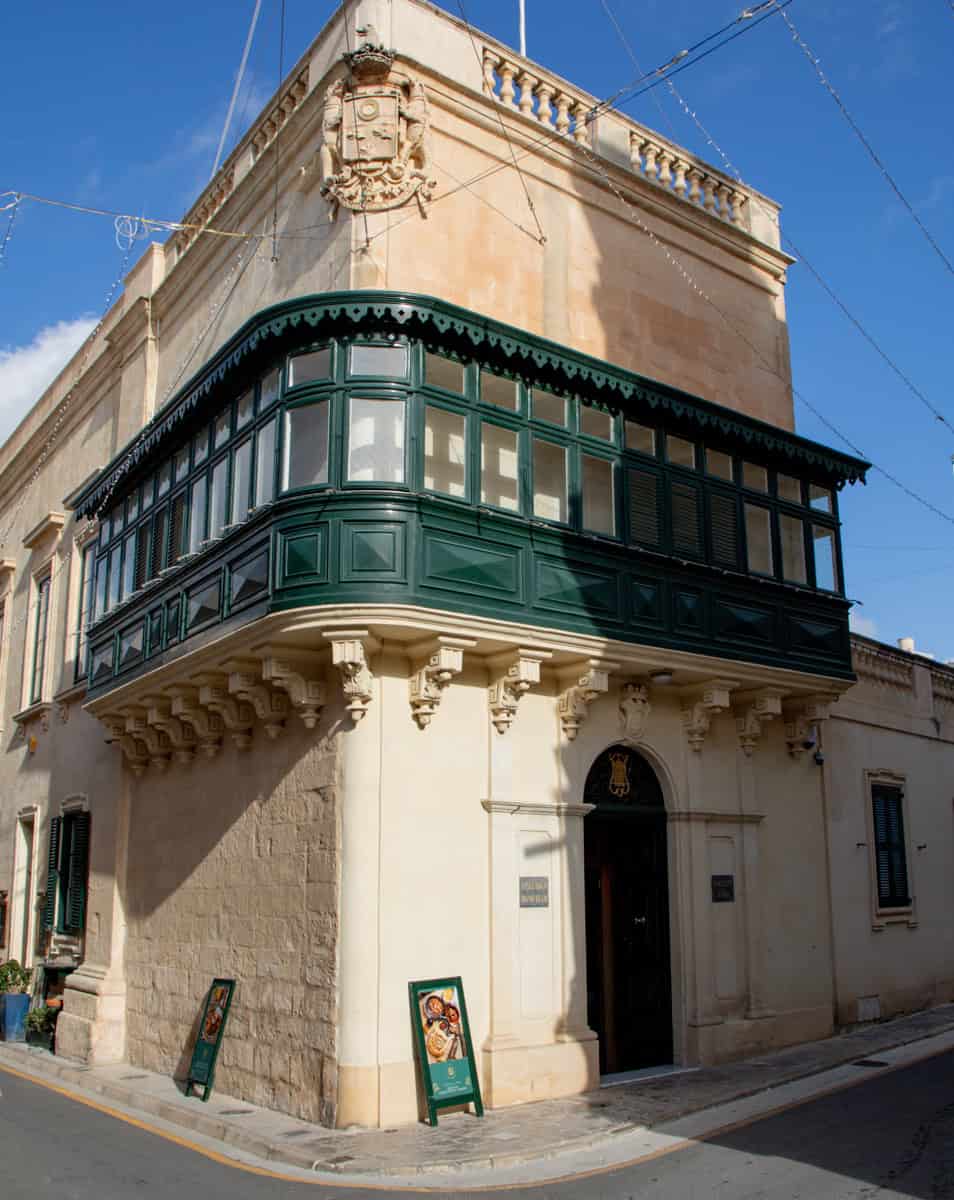
I tried this dish at L’Isle Adam Band Club in Rabat, where it was served for the reasonable price of €20.
Band clubs in Malta originated as social hubs and gathering places, and the one we visited was established in 1860. This makes it one of the oldest band clubs on the island – a fitting spot to enjoy such a traditional meal.
My Thoughts
The meat is so tender, and, not to sound too cliché, but it tastes a bit like chicken. The sauce is so flavourful and has a great depth and richness to it and pairs very well with fries!
Pastizzi
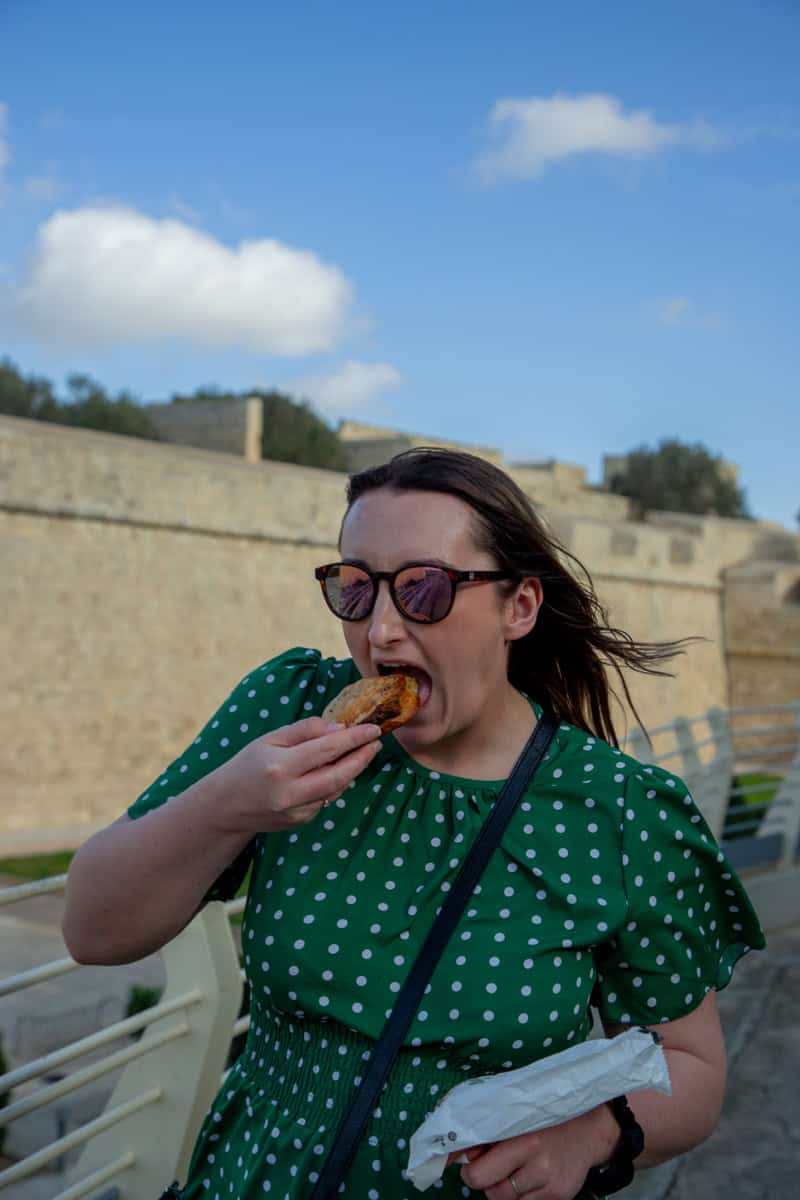
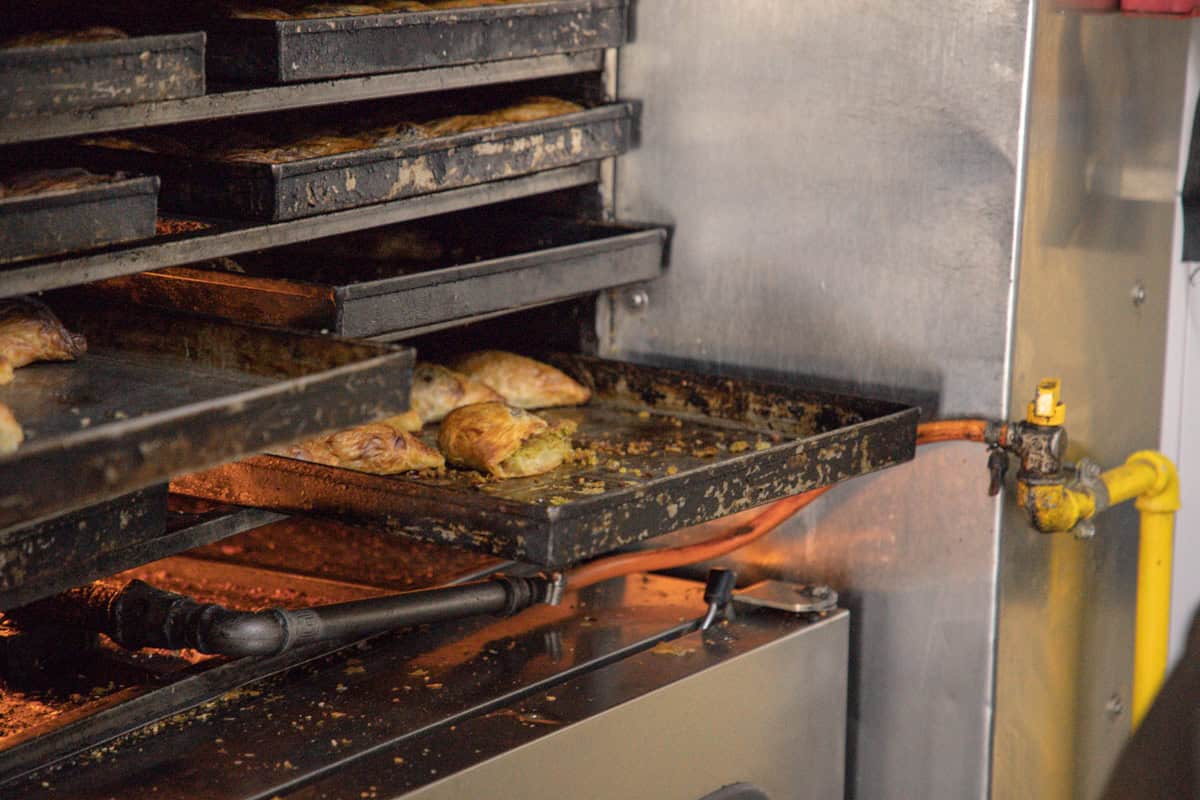
Pastizz are flaky pastries, commonly filled with ricotta or mushy peas, although there are other fillings available such as chicken, or even sweet ones filled with Nutella.
History
The origins of the pastizz remain uncertain, but this popular pastry snack is thought to have been created by the peasantry as an affordable way to bulk out meals using simple ingredients like milk and flour.
Where to Try
There are plenty of pastizzeria all over Malta where you can get these pastry snacks.
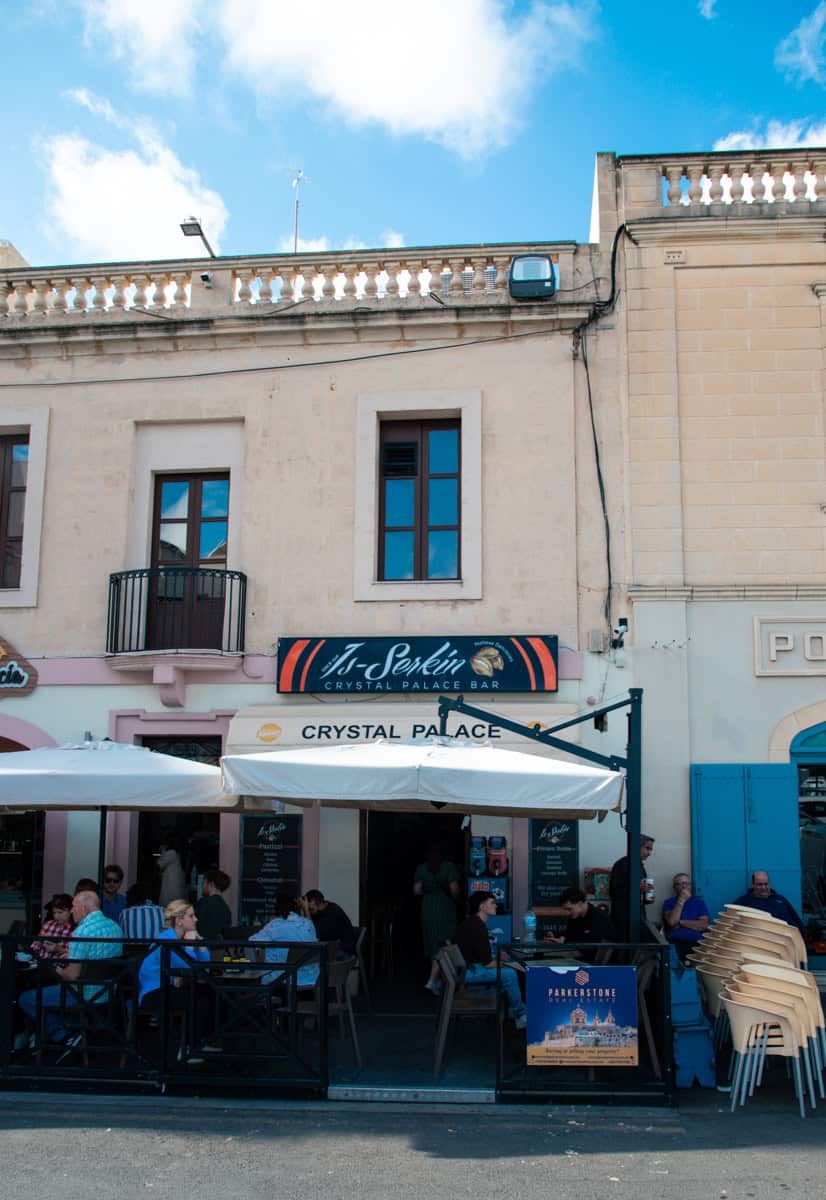
I opted to get a pastizzi pizelli (pea filled) from Is-Serkin in Rabat, as Lonely Planet’s ‘Malta & Gozo’ guidebook cited it as “Malta’s Best Pastizzi”.
My Thoughts
I’ll admit, I was not a huge fan, which surprised me, because I like pastry, and I enjoy mushy peas, but something about the flavour just wasn’t for me. I think I’d try a different flavour next time around.
Maltese Sausage (Zalzett tal-Malti)
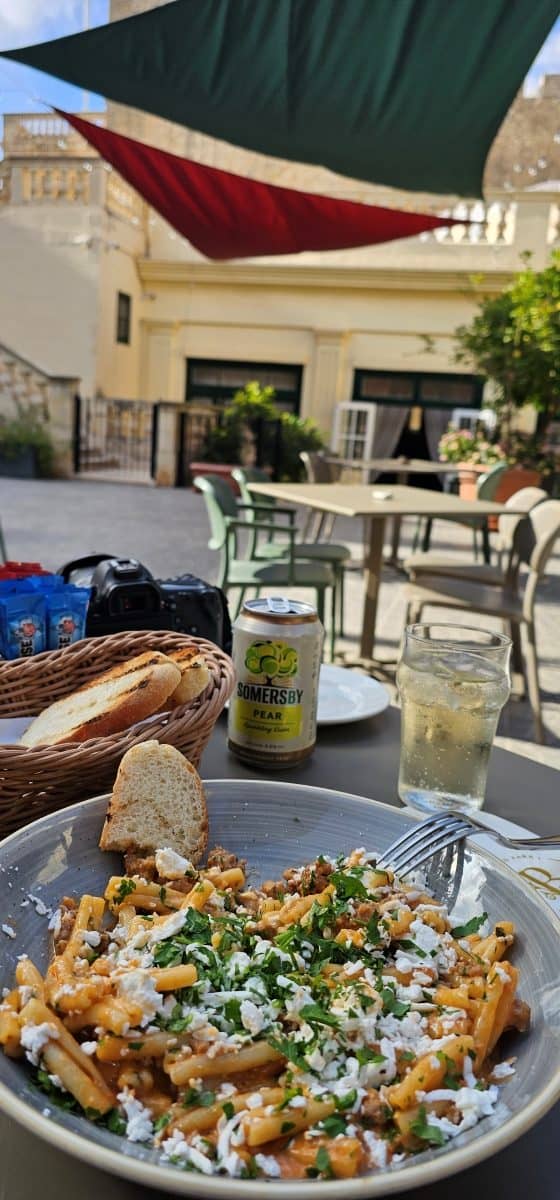
Zalzett tal-Malti, or Maltese sausage, is made from a mix of pork cuts and herbs. We had the chance to try it in a few different dishes during our time in Malta.


History
Maltese sausage has long been a staple of the Maltese diet, serving as an affordable protein source for generations. The sausage was particularly important for rural communities, where preserving meat with salt and spices ensured a longer shelf life in the island’s warm climate.
Where to Try
If you’re looking to try Zalzett tal-Malti, there’s no shortage of options. We had a pasta dish from L’Isle Adam Band Club in Rabat, a pizza from Vecchia Napoli in Is-Suq Tal-Belt food court, and a smoked sausage starter from Smokehouse in Sliema.
My Thoughts
The Casarecce Maltese Sausage Ragu in Rabat was very hearty and flavoured well. I ordered the Bella Malta pizza from Vecchia Napoli which paired the sausage with goat’s cheese, sundried tomatoes, and coriander which was super tasty. While both of these were great, I found the flavour of the sausage to be masked, so at Smokehouse in Sliema, I ordered the Smoked Maltese Sausage starter, and finally got to appreciate the distinct spices and seasoning of the sausage itself.
Ftira
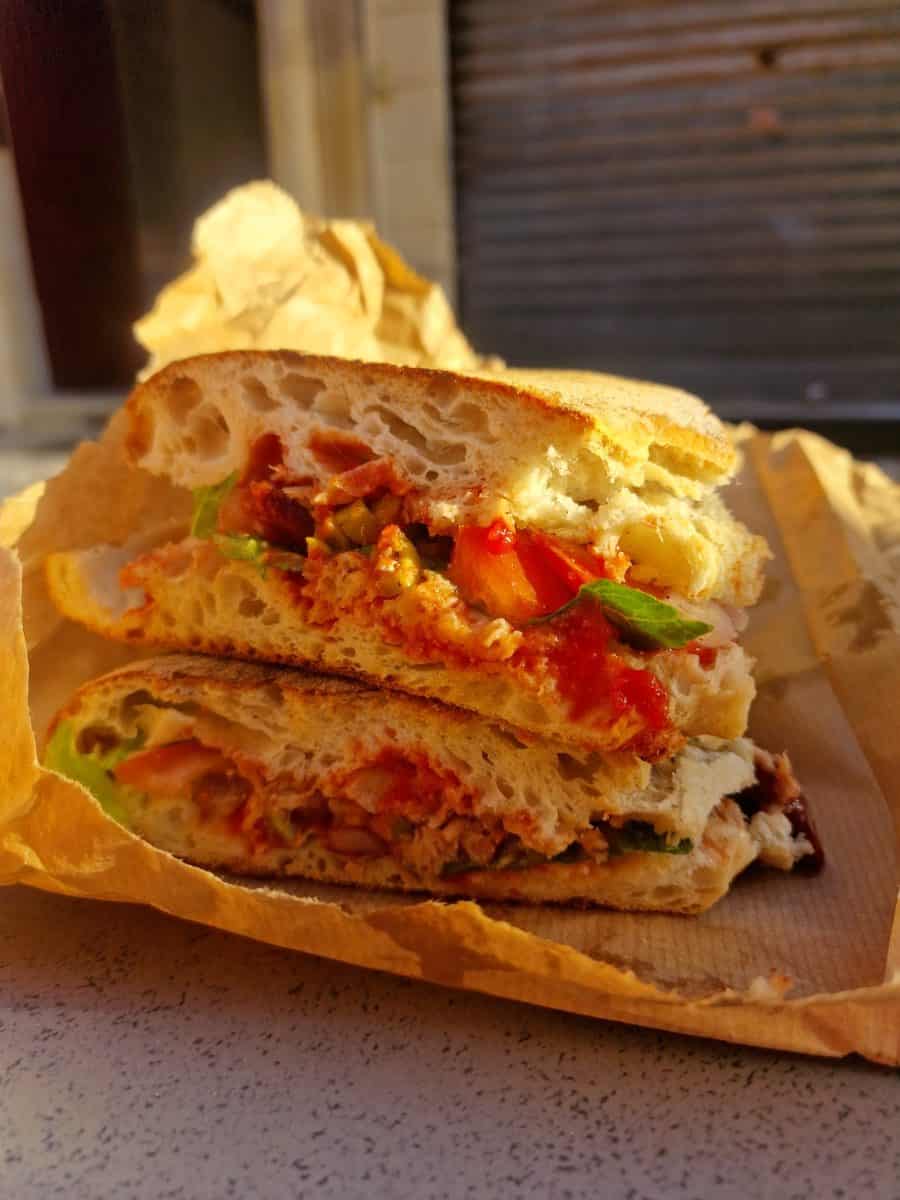
Ftira is a beloved Maltese bread, traditionally served with a range of fillings that highlight the island’s Mediterranean roots.

History
Ftira is a type of bread in Malta — so iconic that it is listed as part of the UNESCO Intangible Cultural Heritage. Traditionally baked in community ovens, this bread was filled with ingredients like tuna, capers, olives, tomatoes, and onions, making it an affordable and versatile meal for the working class.
Where to Try
I had my first ftira at the Merkanti Maltese Street Food stand in Is-Suq Tal-Belt food court and my second at The Submarine on Merchant Street in Valletta. There are so many shops that sell these traditional sandwiches — it’s all up to preference.


My Thoughts
I tried two traditional tuna ftajjar whilst in Malta, and both were delicious. The bread was incredibly crisp, adding the perfect texture, while the filling was bursting with fresh, vibrant flavours. It was a simple, yet very filling, meal that met my expectations and then some.
What I’d Try Next Time
Unfortunately, I didn’t get to try everything that I wanted to, but that just means I have more reasons to return to Malta!
So, what did I miss that you can try on your trip?
- Lampuki – Also known as dolphinfish, dorado, or mahi-mahi, this is a fish dish if you didn’t realise, and is usually found in Torta tal-Lampuki which is a pie filled with lampuki, capers, onions, cauliflower, tomatoes, and potatoes.
- Imqaret – A traditional pastry sweet made with pastry and filled with dates.
- Bragioli – Slices of beef wrapped around a mixed stuffing and braised in red wine and tomato.
One thing I didn’t manage to fit in this trip was a guided food tour. It would’ve been a great way to sample several traditional dishes in one go (with a local’s insight into the history and culture behind them too). Next time I’d definitely look at something like this:
Conclusion
Malta’s food scene is as diverse as its history, with each dish offering a glimpse into the island’s cultural roots. From hearty rabbit stew to flaky pastizzi, exploring Maltese cuisine was a highlight of my trip. I know I’ve only scratched the surface, but it’s a good excuse to go back!
Have you tried any Maltese dishes? Let me know what I should add to my list.
Not been to Malta yet? Which Maltese dishes would you most like to try?
References
Rabbit (Stuffat tal-Fenek) – https://ohmymalta.com.mt/2022/05/05/a-history-of-rabbit-in-malta/
Pastizzi – Lonely Planet’s Malta & Gozo Guidebook
Maltese Sausage (Zalzett tal-Malti) – https://vibe.mt/iz-zalzett-malti-to-join-legendary-foods/
Ftira – https://traveladdicts.net/traditional-maltese-food/

I was in Malta in December, i dont have much time to see La Valetta, as i would like. And because you are in a tour i try some dishes others not. I will return to Malta, i missed a lot.
[…] Med obiskom Vallette ne smete zamuditi priložnosti za okušanje pastizzijev, priljubljenih slanih peciv z nadevom iz rikote ali grahove paste. Ti hrustljavi in sočni prigrizki stanejo le evro in so popolna izbira za hiter prigrizek ali zajtrk. Za bolj bogato malico poskusite ftiro, malteški kruh, ki se pogosto polni s tuno, kaprami, olivami in paradižniki. UNESCO ga je uvrstil na seznam nesnovne kulturne dediščine. […]
This makes Maltese food sound irresistible 🤍 I love how you connect each dish to the island’s history — and you’re right, there’s always another excuse to go back (especially for pastizzi!).