



Hayden and I spent a week in Athens in September 2019 – our first holiday abroad together. Instead of writing this as a day-by-day diary, I’ve broken it down by activity, covering the main things we did and the highlights you won’t want to miss. Right at the top, you’ll find a quick 7-day Athens itinerary summary if you just need guidance at a glance, and further down, I’ve shared more details with photos and impressions from each place.
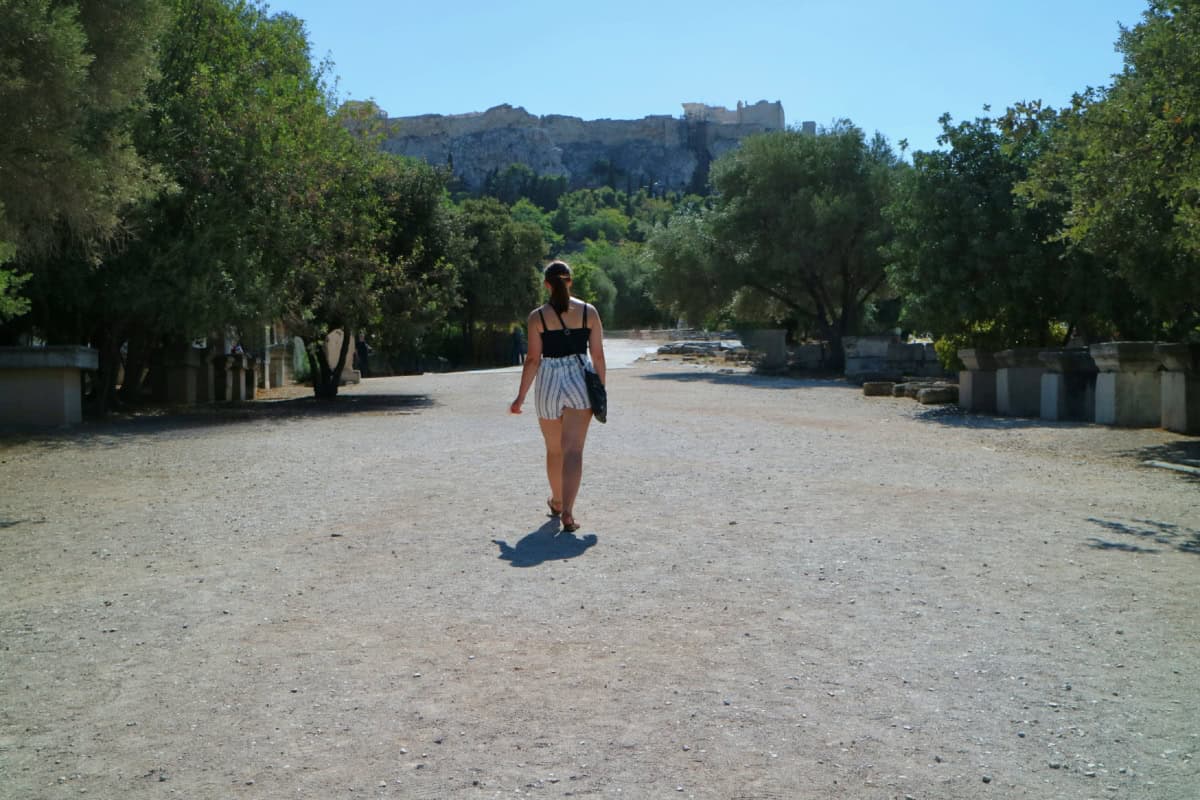
Our Itinerary
You can see below a quick overview of what we did each day, hopefully this helps you to plan your own trip and decide how much time you need for what you want to see and do in Athens.
| Day 1 | We landed late in the evening, settled into our Airbnb, and explored the Petralona neighbourhood for dinner. (A quieter, more local base than central Athens, with plenty of little eateries). |
| Day 2 | We spent the morning wandering the centre of Athens, stopping at cafes and people-watching before joining a free walking tour in the evening – a great way to get your bearings and learn some history early on. |
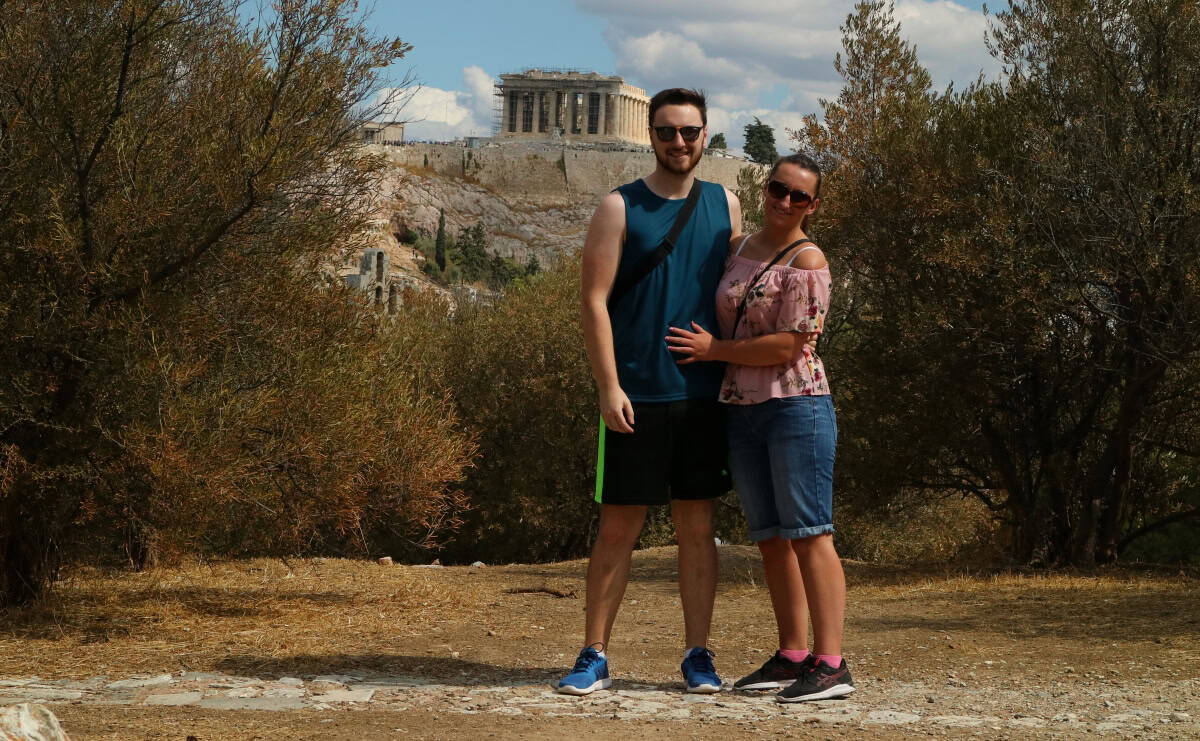
| Day 3 | Morning at the Kerameikos Archaeological Site, followed by lunch back in Petralona. In the afternoon, we visited the Acropolis and the Slopes (about 4–6pm — cooler and slightly less crowded). That evening, we saw John Cleese: Live at the Acropolis. |
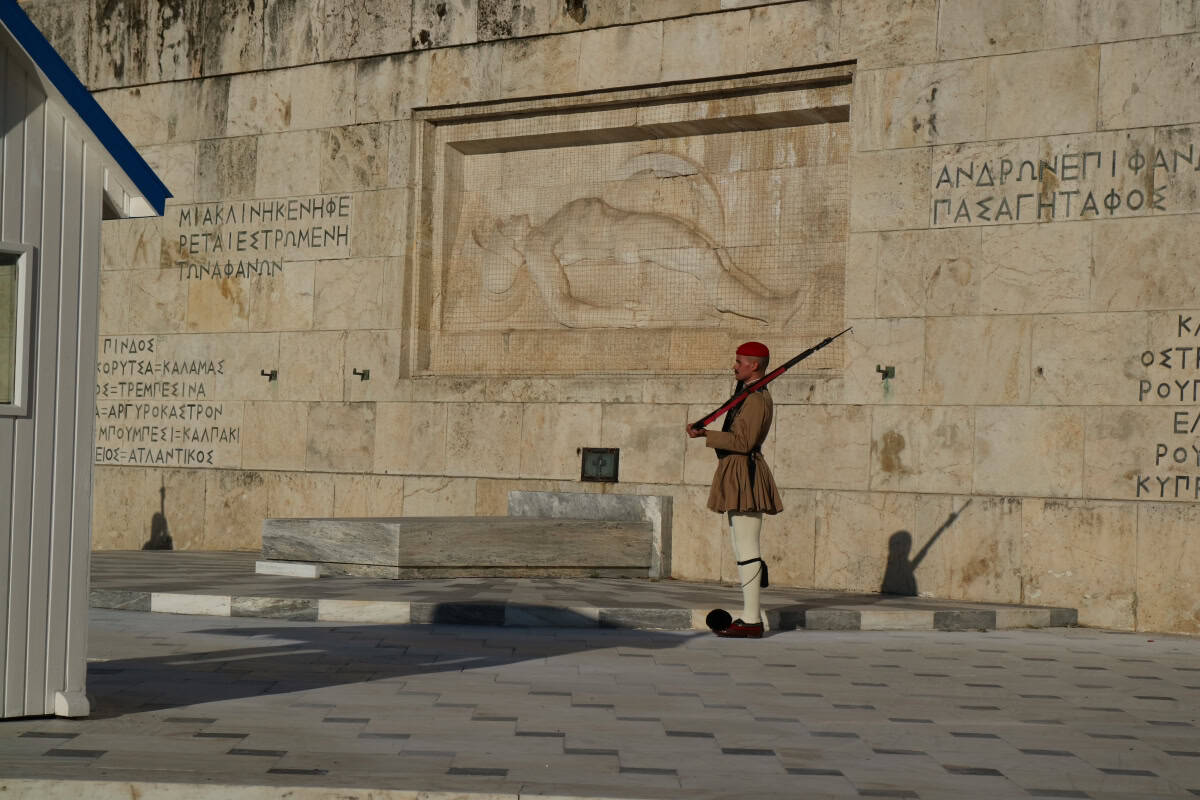
| Day 4 | This was our busiest sightseeing day, and we managed to pack in several of the city’s major landmarks. We started at the Ancient Agora around 10am before moving on to the Roman Agora just after lunch. From there, we spent an hour exploring the Temple of Olympian Zeus, then strolled through the shady National Gardens, which even has a small zoo tucked away inside. Walking back towards the centre, we stopped at the Monument of the Unknown Soldier to watch the Changing of the Guard (on the hour), before finishing the day at Hadrian’s Library. |
| Day 5 | Planned to climb Lycabettus Hill, but the weather kept us on the apartment balcony instead. |
| Day 6 | Took the metro to Piraeus Port, walked to Edem Beach, stopped for lunch and people-watching, then returned to Petralona. |
| Day 7 | The heat was intense, so we spent most of the day relaxing on the balcony before heading out for dinner. |
| Day 8 | Walked up Philopappos Hill for panoramic views of the Acropolis, then returned to the airport for our flight home. |
Our Athens Base: Exploring from Petralona
We stayed in an Airbnb in the Petralona neighbourhood on the other side of Philopappos Hill. We were about a 20 to 30-minute walk from most attractions, but a five-minute walk from Petralona metro station, making it easy to get around the city.
The distance from the heart of Athens meant that we secured a fantastic apartment for about £235 for a week-long stay (although that same apartment is now over £700 for the same duration)!
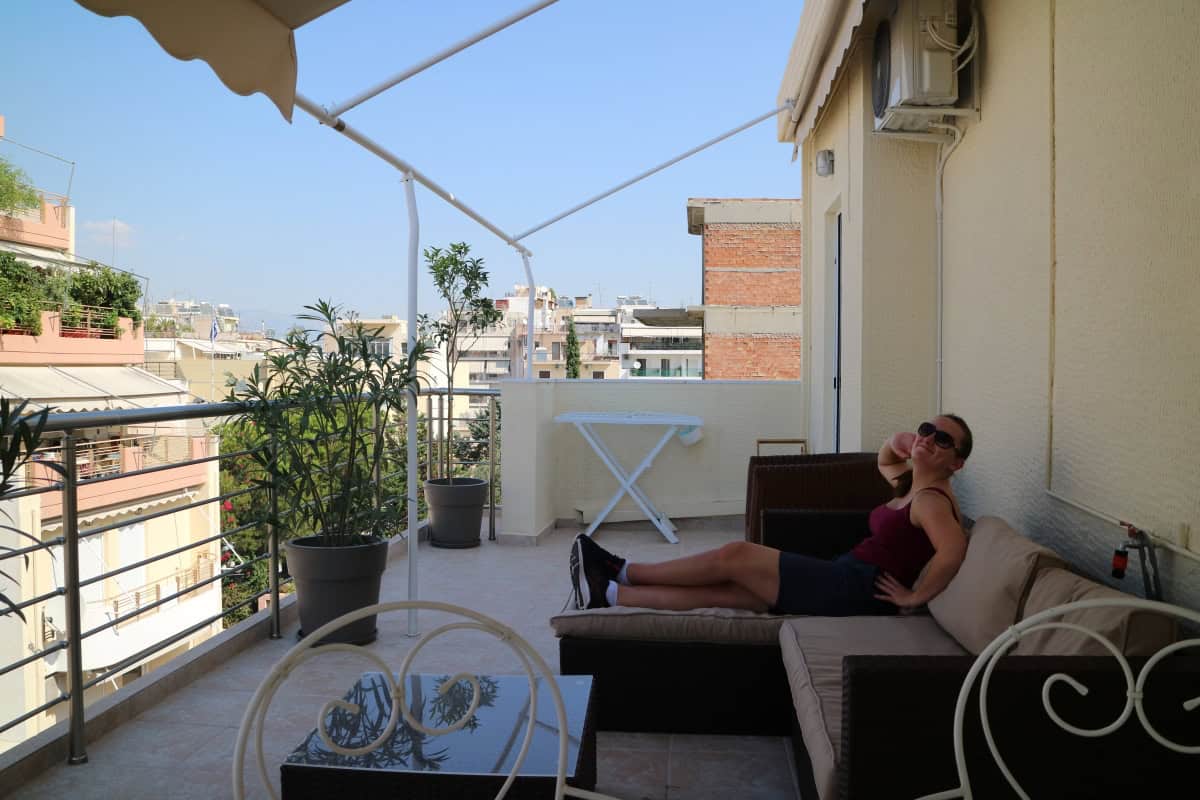

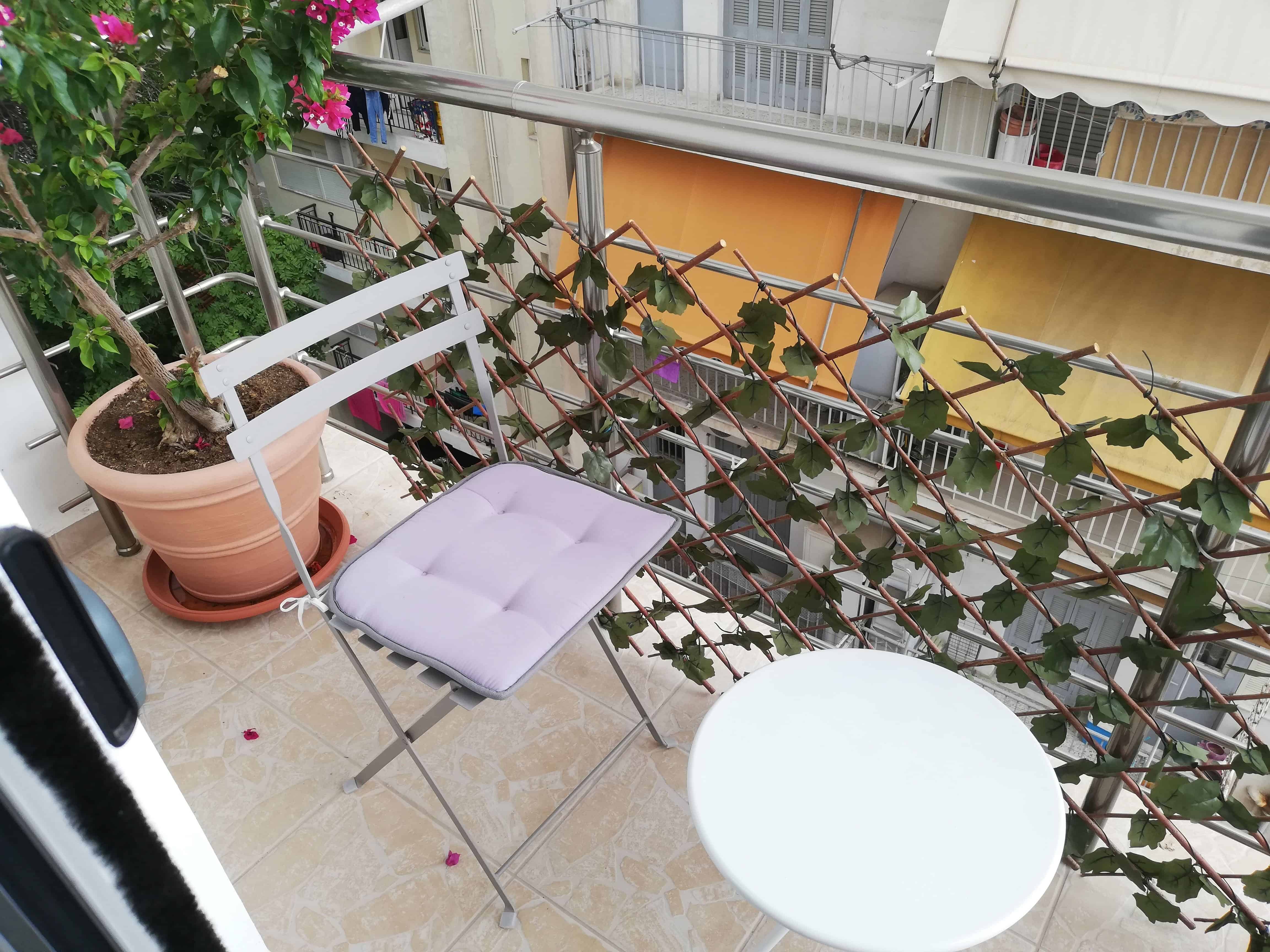
When staying further out of the city, be mindful that shops may not have English translations for products. We went to stock up on still water, but we came out with sparkling, which was a fun discovery after we’d frozen the bottles!
Being outside the tourist area was a huge perk food-wise. Our local square was packed with eateries, including a kebab shop that served the best we’d ever tasted, though it’s sadly closed now.
Petralona offers a quieter, more local feel while still keeping you within easy reach of the city’s highlights, making it a great option if you want a mix of convenience and authenticity.

Bathroom Etiquette
One thing to note when staying in Greece is that toilet paper doesn’t always go down the loo. In many bathrooms, a bin is provided for paper disposal, often with a sign to let you know.
My top tip: take a few nappy bags with you and use them to deposit your toilet paper in the bin. This is especially handy if you’re staying somewhere without daily housekeeping; it keeps things tidy and hassle-free.
Exploring Athens: What We Got Up To
Free Walking Tour
On our first full day, we opted for a free walking tour of Athens. I highly recommend doing one early in your visit; it’s a fantastic way to learn the history and get context for specific landmarks before exploring them on your own. They’re especially useful if you’re short on time and want to make the most of a few days in the city.

We went with New Athens Free Tour (you can find them here), and it was fantastic. Our guide was knowledgeable, engaging, and gave plenty of insider tips about the city. By the end of the tour, we felt confident navigating Athens and had a much better understanding of the sites we planned to visit over the week.
Acropolis & Slopes
The Acropolis is home to several iconic structures, including the Parthenon, Propylaea, Temple of Athena Nike, and the Erechtheion.
The Propylaea, the grand gateway to the top of the Acropolis, can get very busy. We visited around 3pm, and it was crowded, so if I were to go again, I’d aim for first thing at 8am when it opens or around 6pm, staying until closing at 8pm to enjoy it with fewer people.
Since April 2024, you need to book a time slot when you buy your Acropolis tickets, so it’s worth planning ahead. Tickets often sell out for the most popular times, especially in summer, so try to book as soon as you can to get your preferred slot.
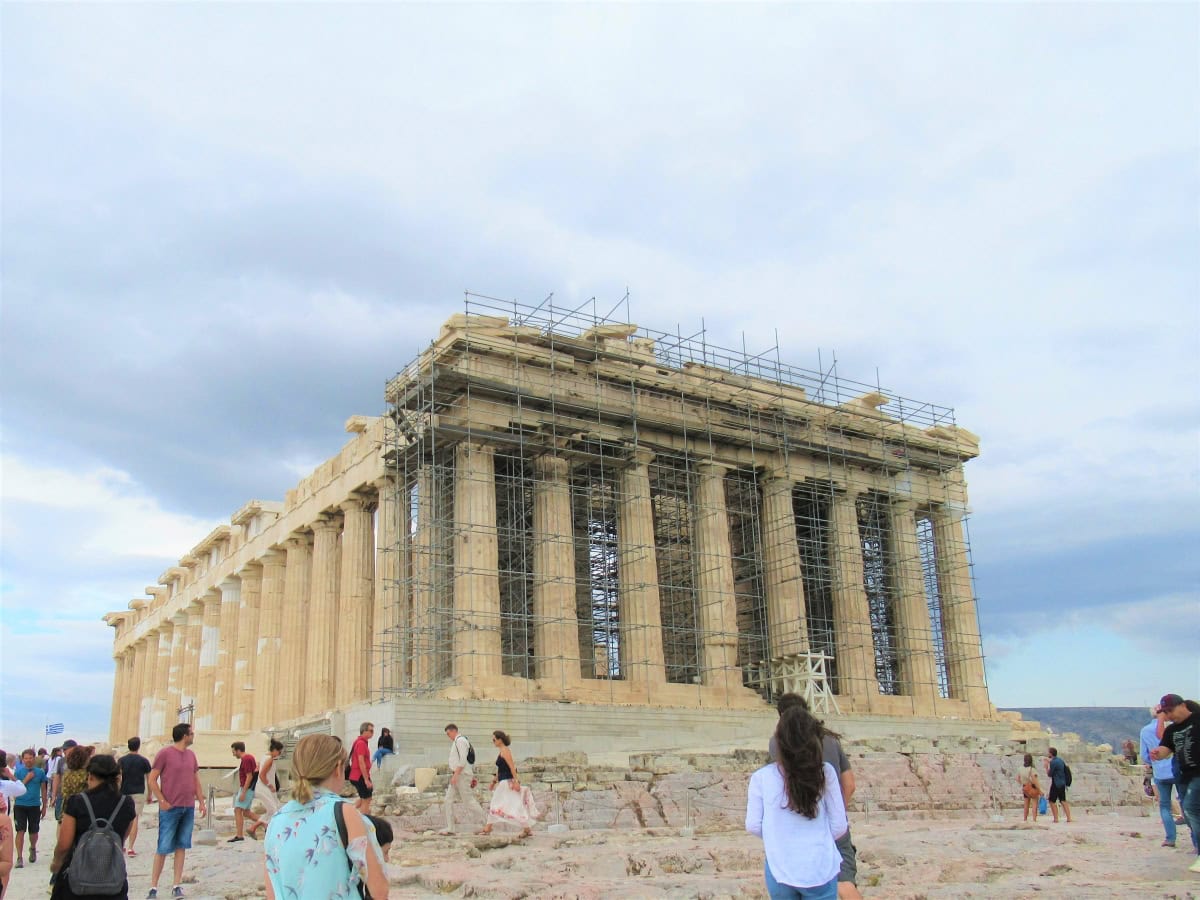
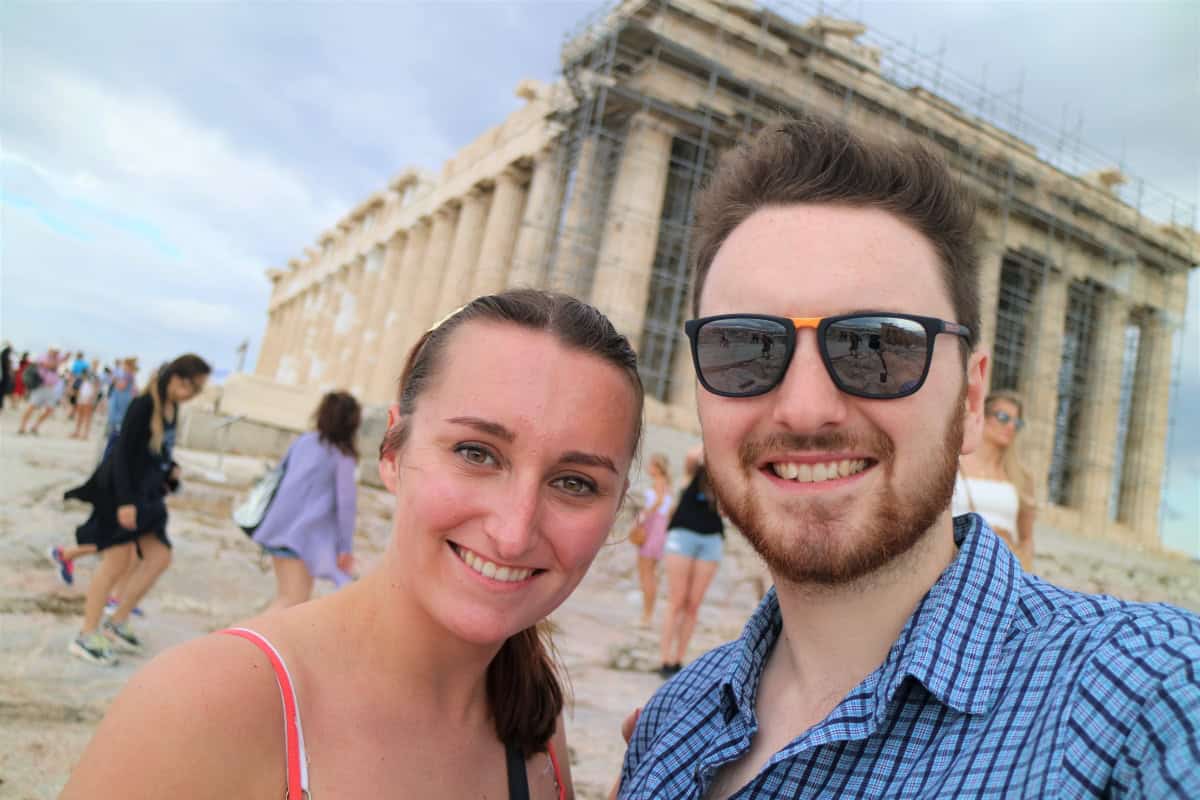
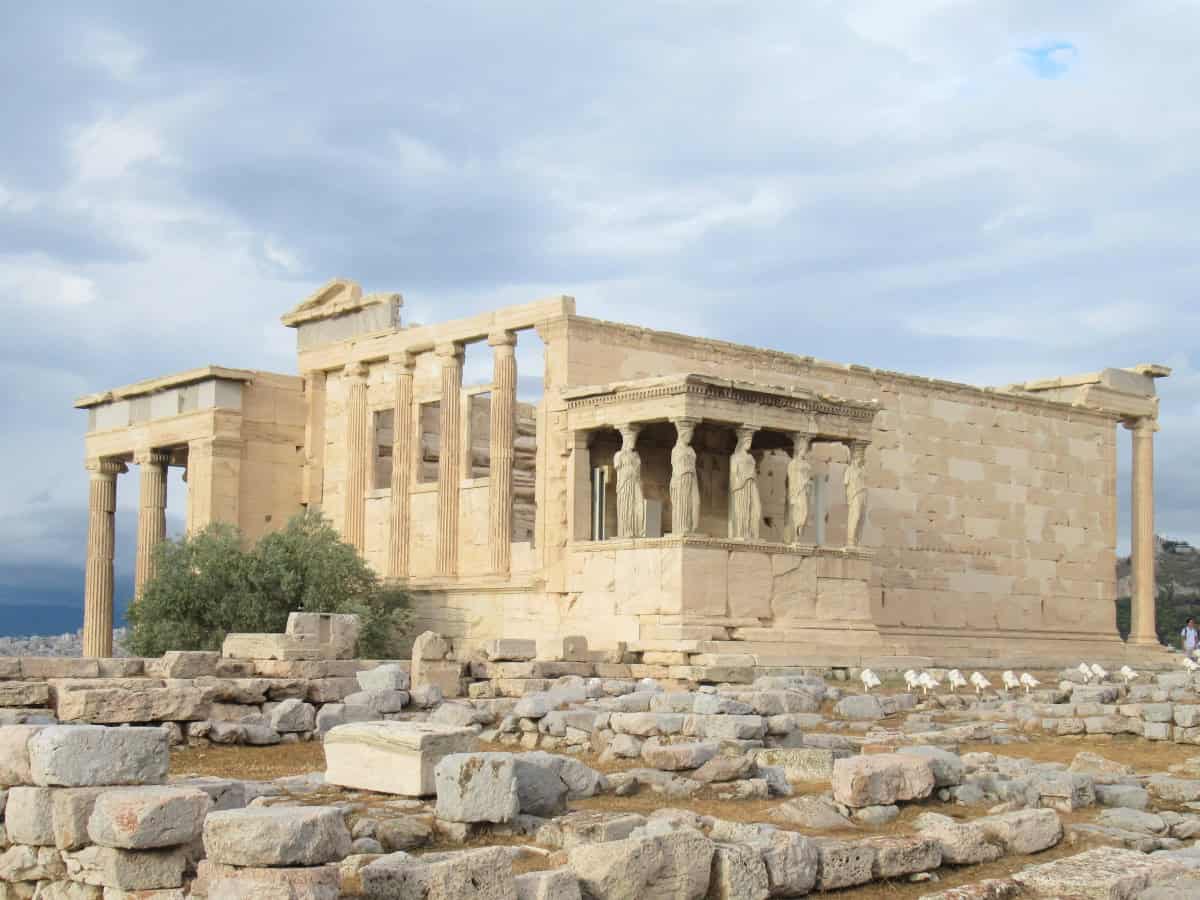
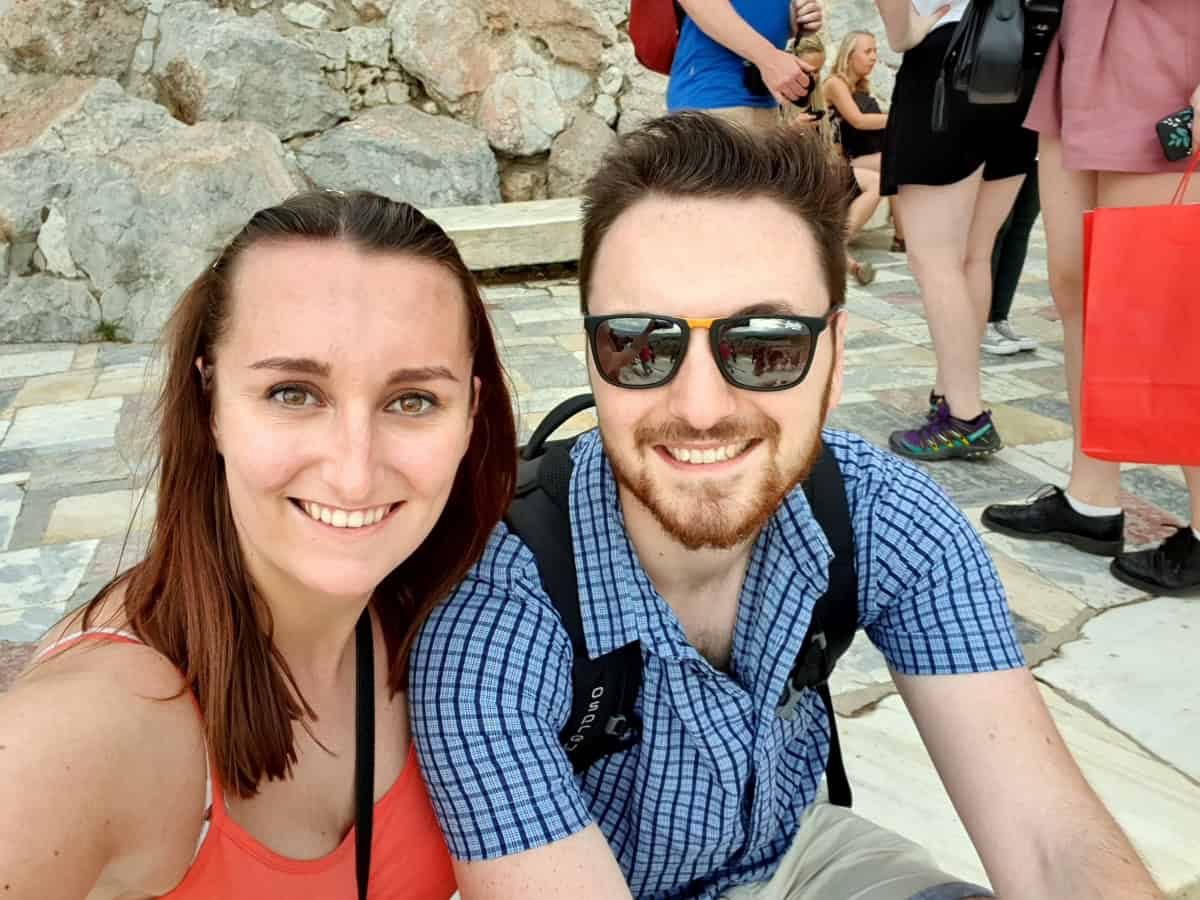
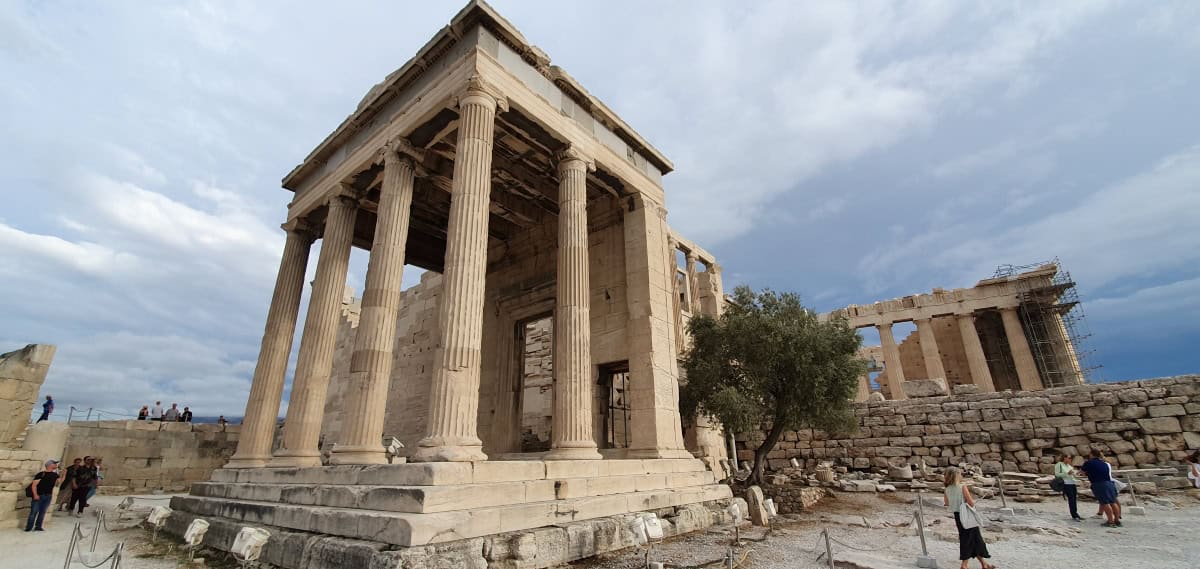
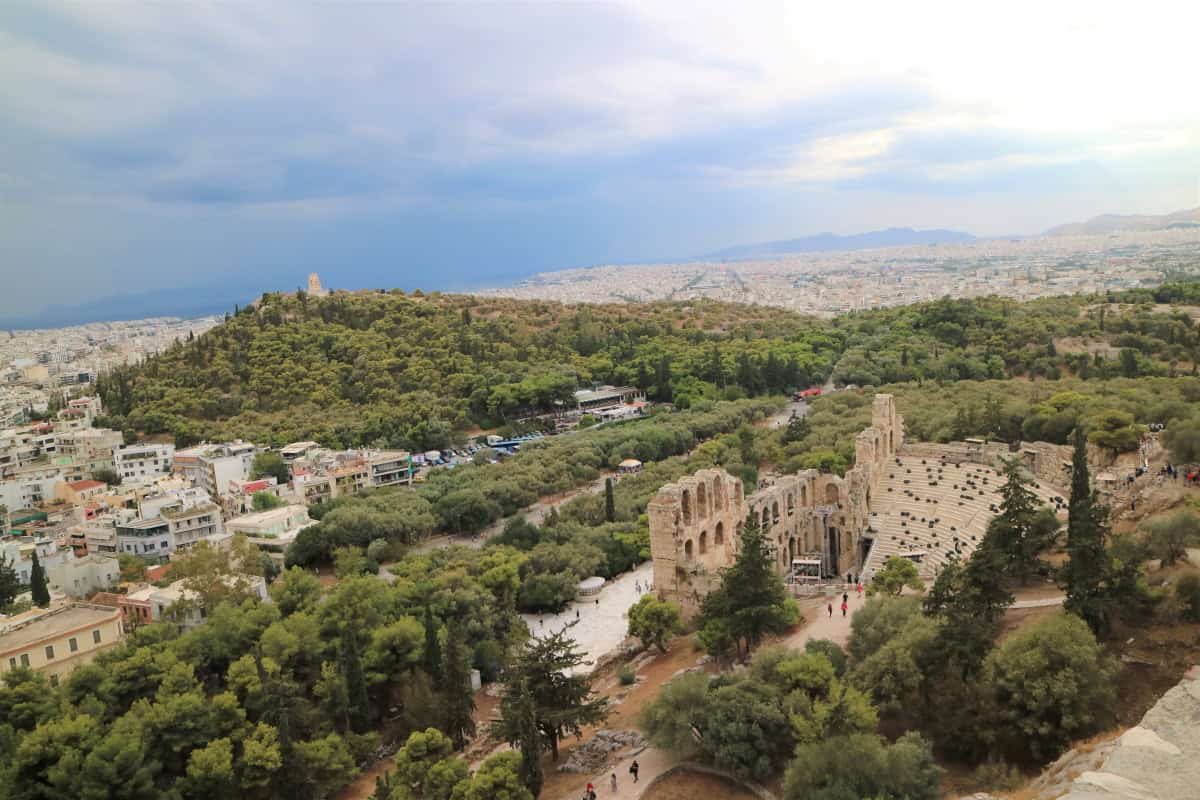
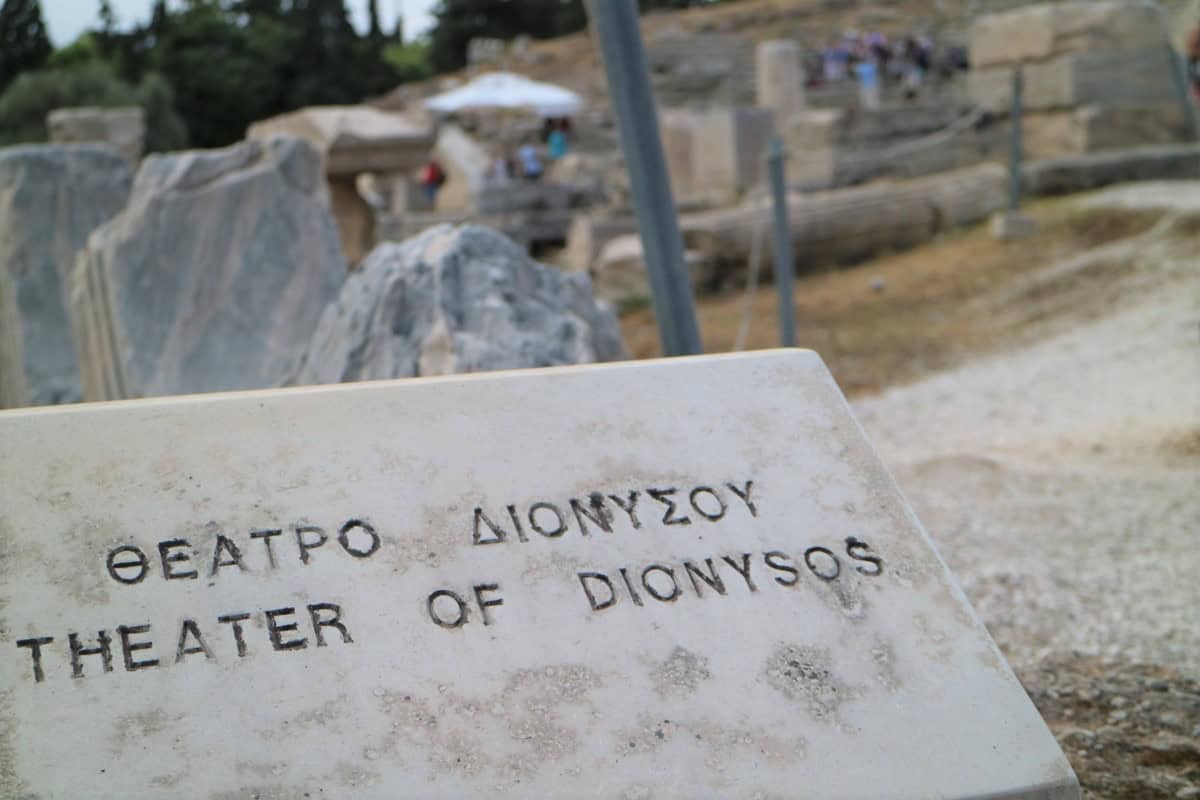
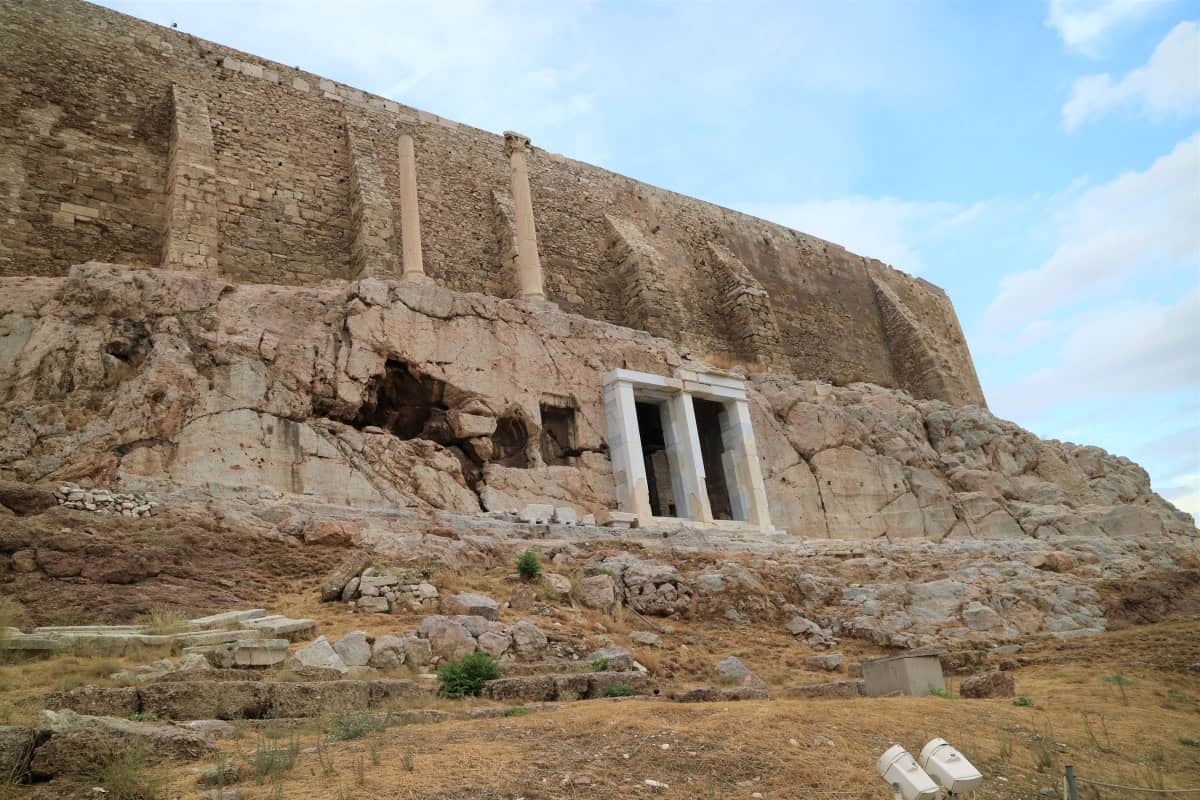
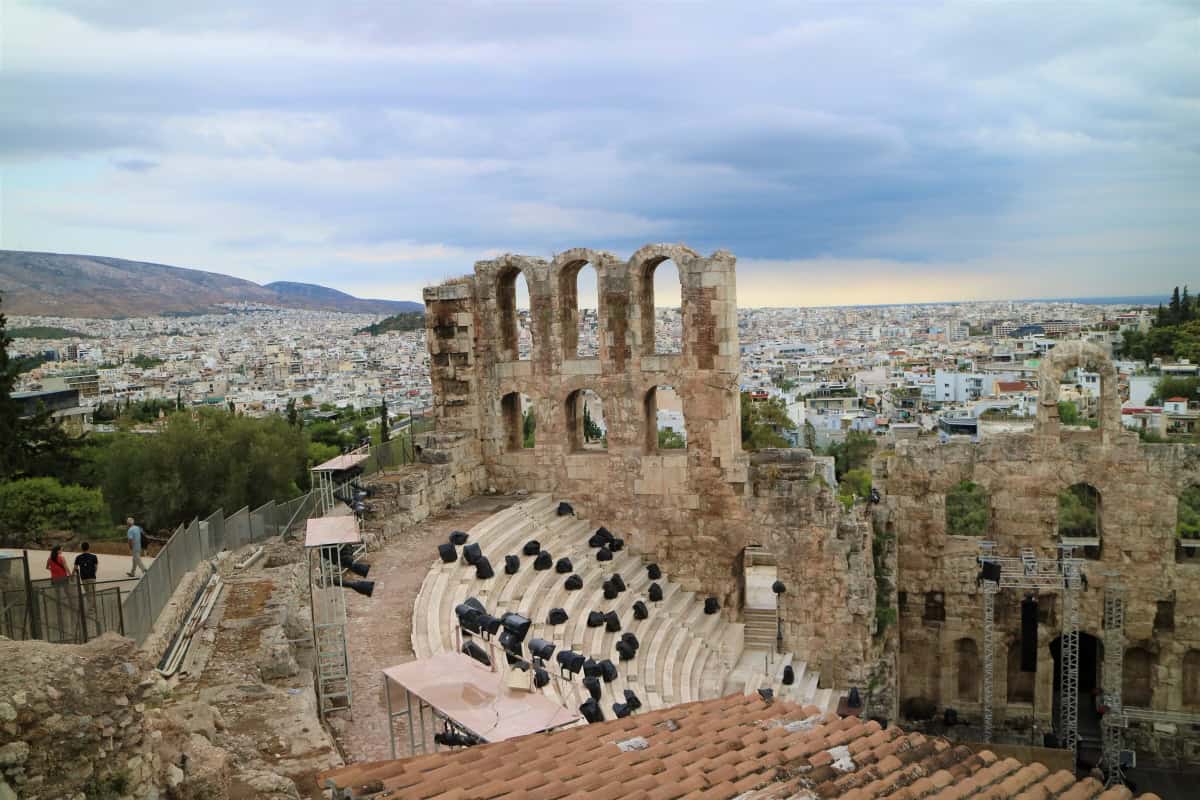
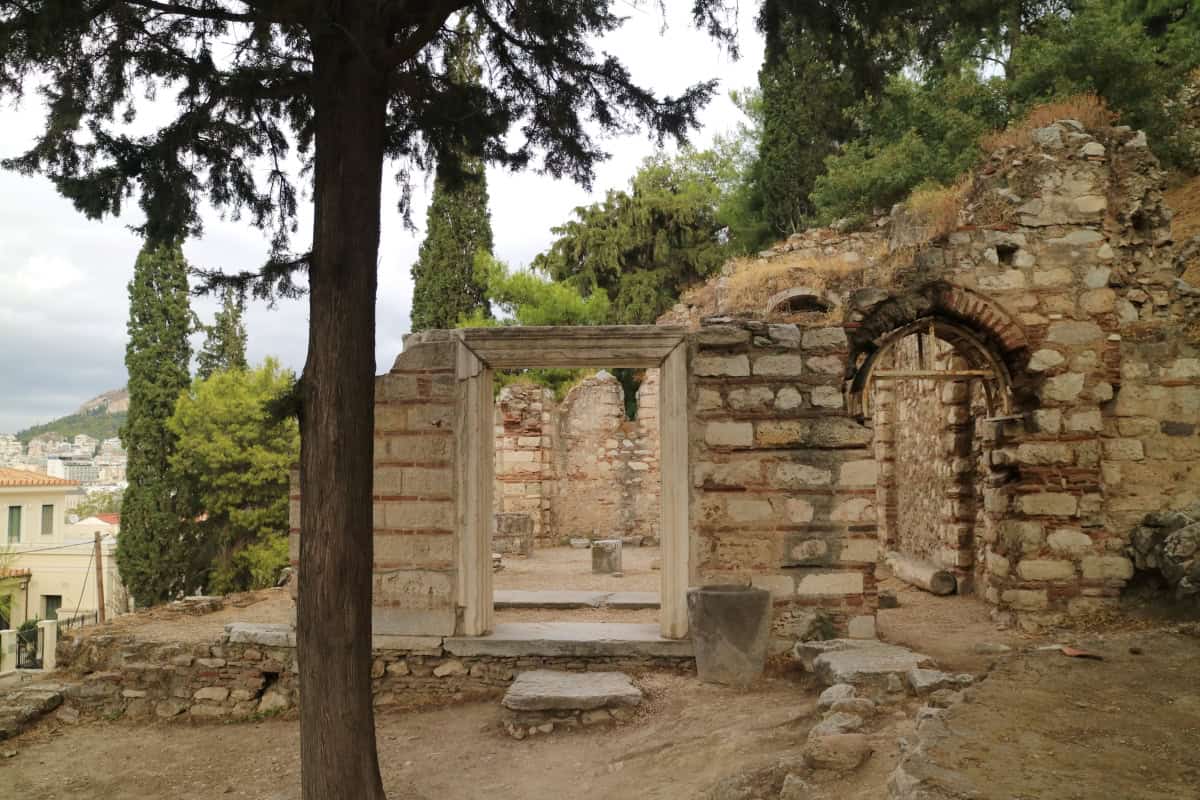
On the slopes of the Acropolis, there are plenty of fascinating ruins to explore, including the Odeon of Herodes Atticus, Theater of Dionysus, the Monument of Thrasyllos, and the Church of St Nikolaos or Serapheim, among others. Even if you don’t spend hours at the top, taking time to wander the slopes gives a fuller picture of Athens’ rich history.
Panathenaic Way
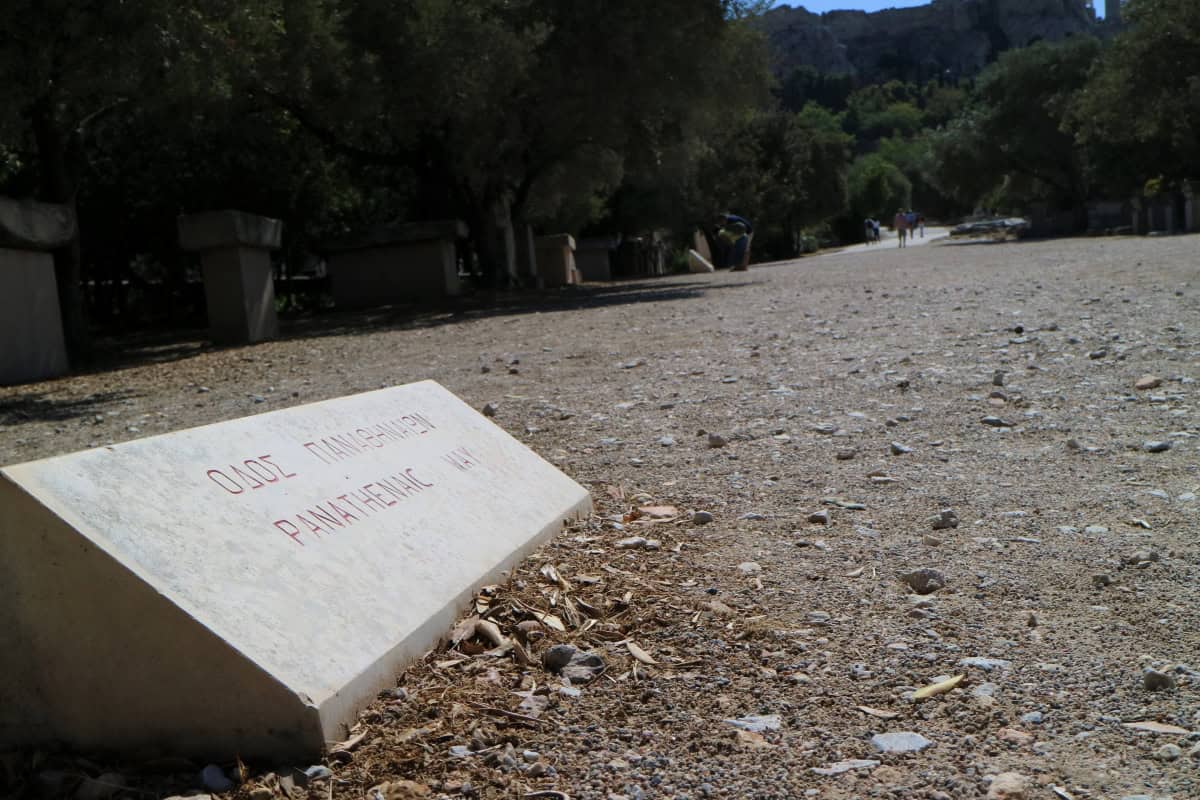
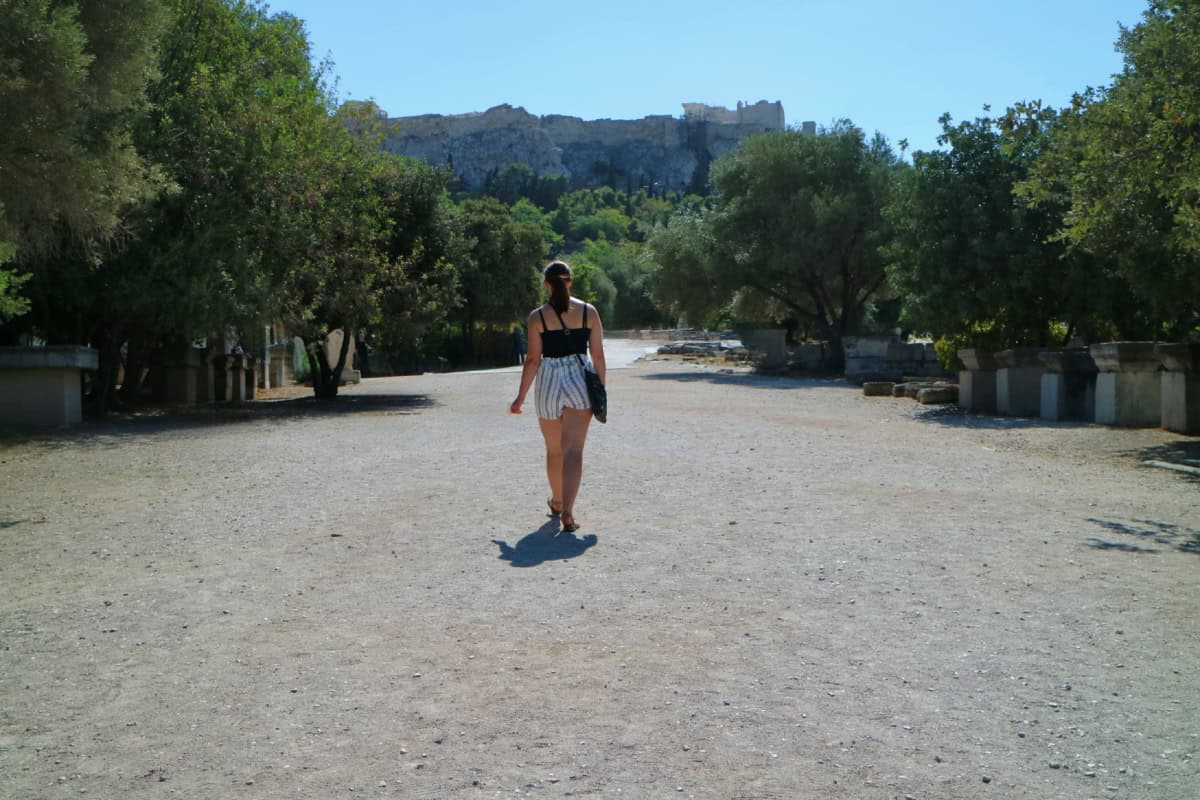
The Panathenaic Way was the ceremonial road used during the Panathenaia festival, held in honour of Athena, the protector of Athens. Walking along it today gives you a sense of how the ancient Athenians would have processed through the city during this important religious event.
For us, it was a pleasant stroll, a practical route for getting from the Acropolis to other nearby sites while enjoying lovely views of the hill. If you want to get more out of it, I’d recommend reading a bit about the festival and its history beforehand, as it really brings the walk to life.
Hadrian’s Library
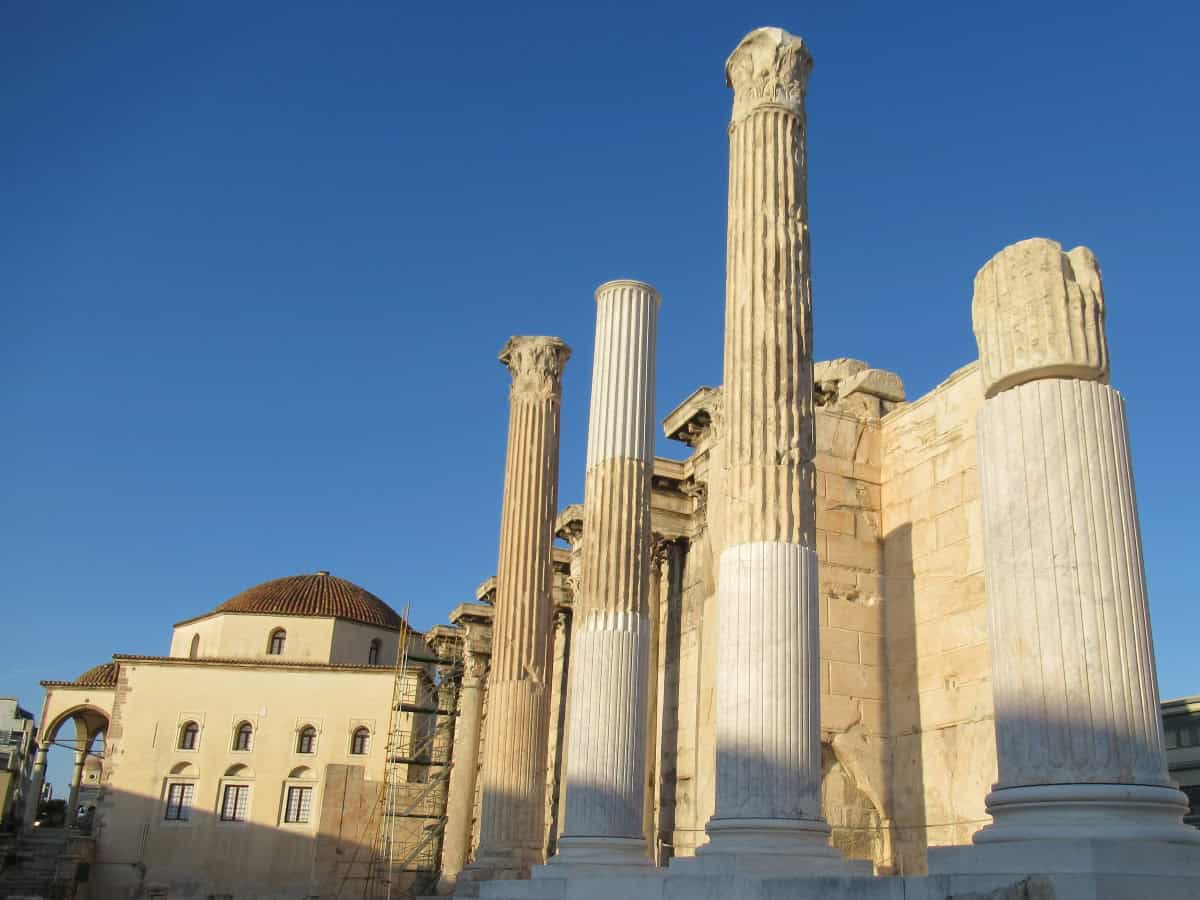
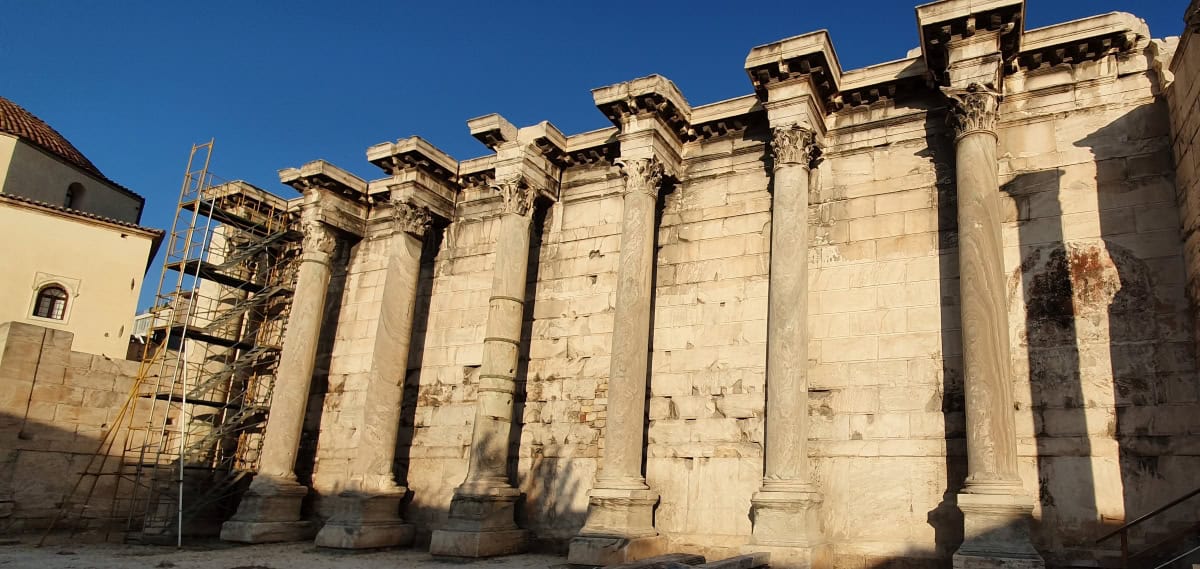
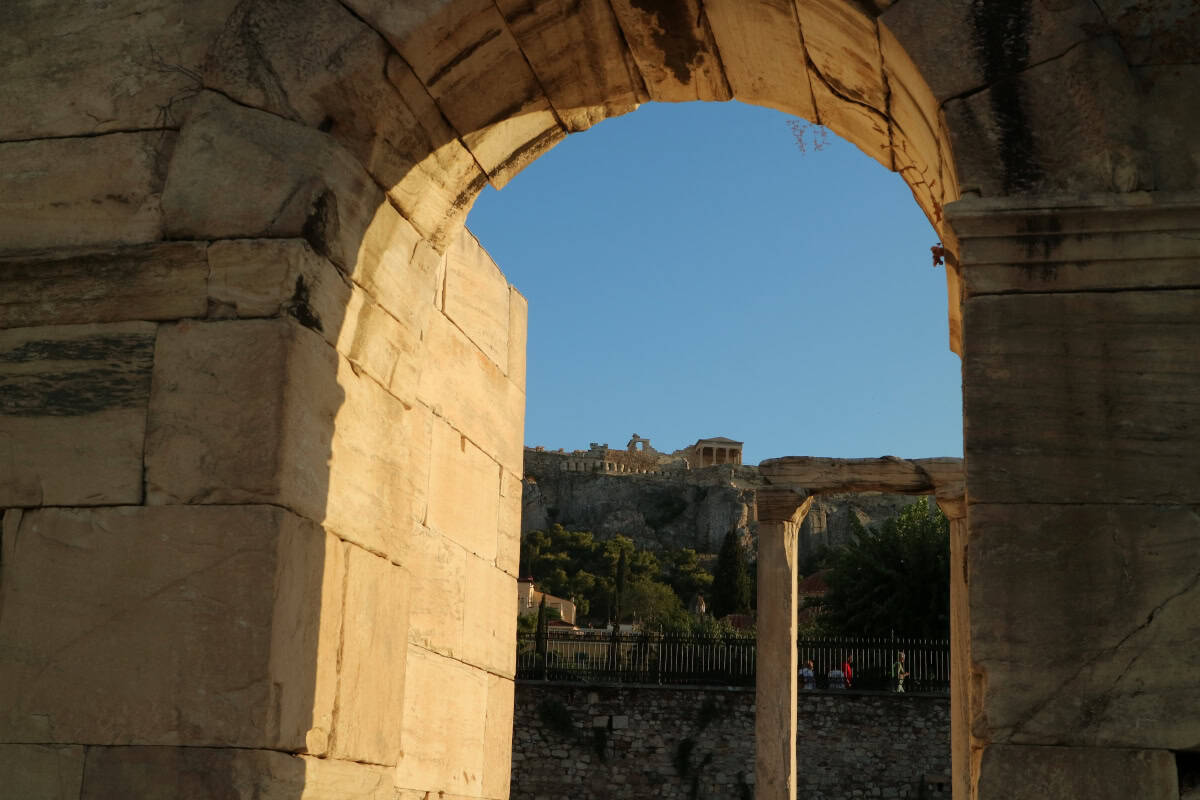
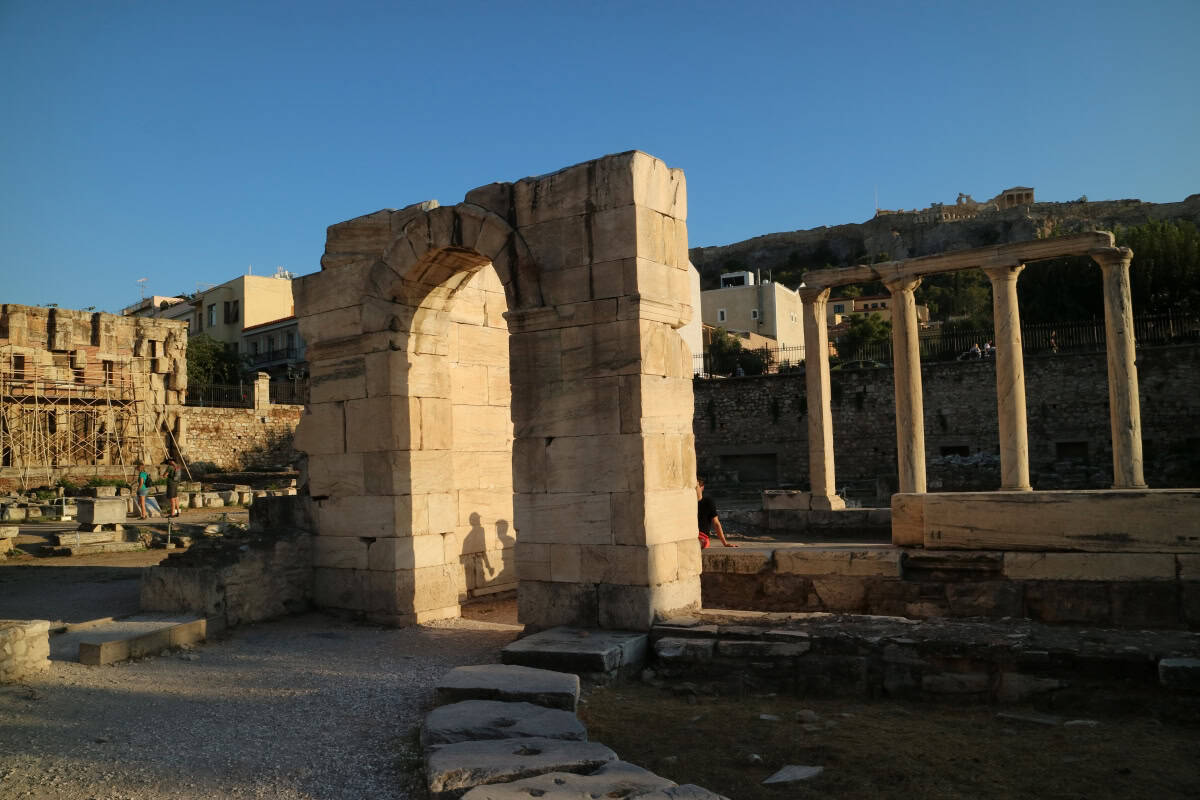
Hadrian’s Library was originally built to store important literary works and legal documents. Despite the name, it functioned more as an archive than a lending library, and schools of philosophy often used the space for lectures.
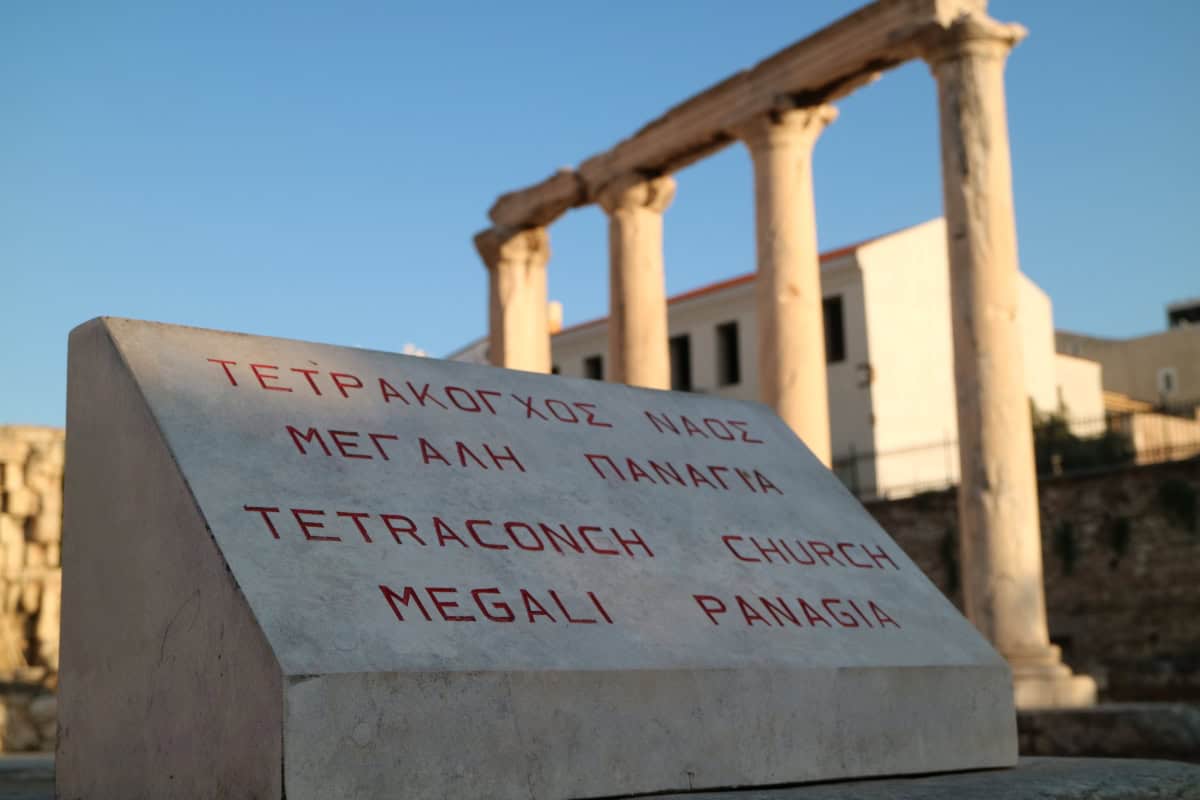
We went inside because we had a combined ticket at the time, but much of the site can be appreciated from the outside without needing to enter. The only thing you’d miss by not going in is the information board, which shows how the library would have looked and explains some of its history, which is information you can easily find online.
One perk of visiting Hadrian’s Library is that the site is usually quiet, making it a nice escape from the crowds while still giving you a sense of the building’s significance.
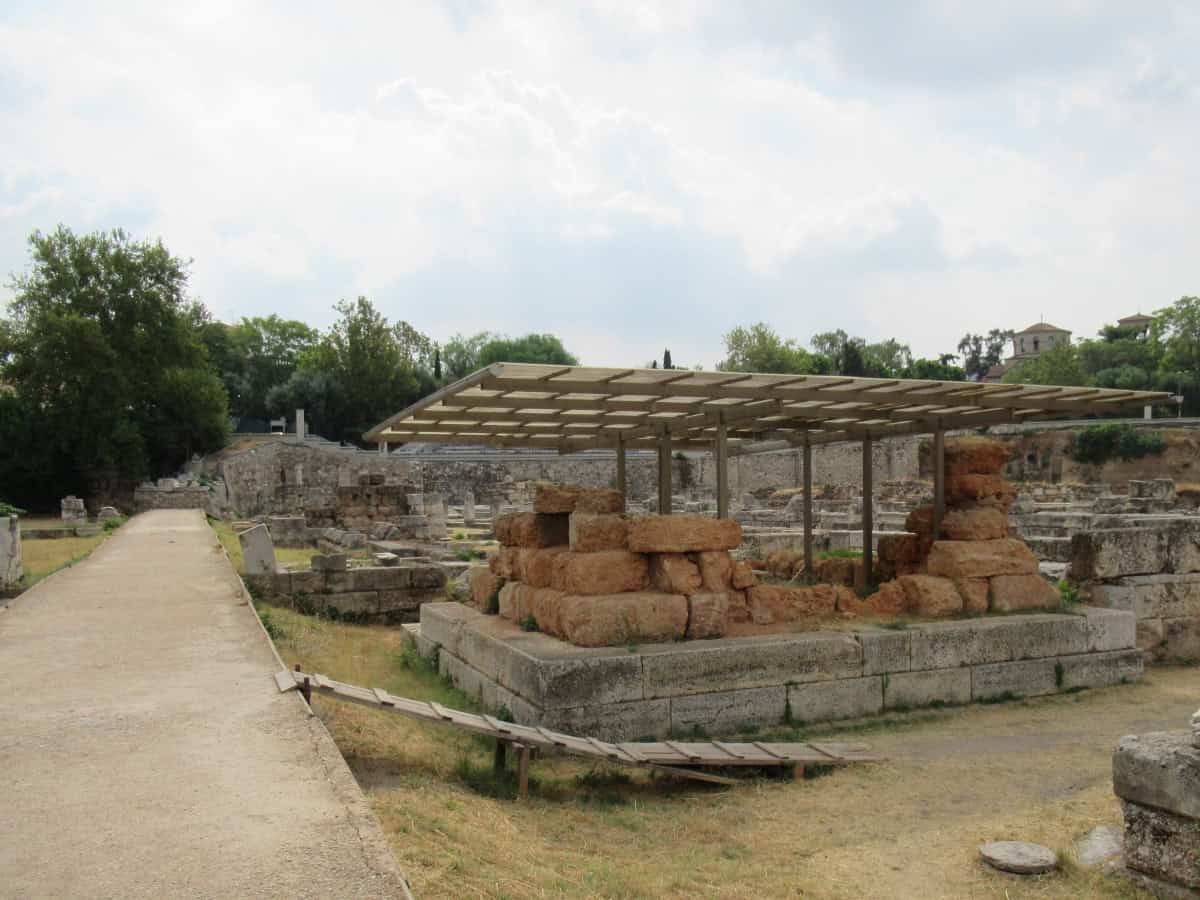
Kerameikos Archaeological Site
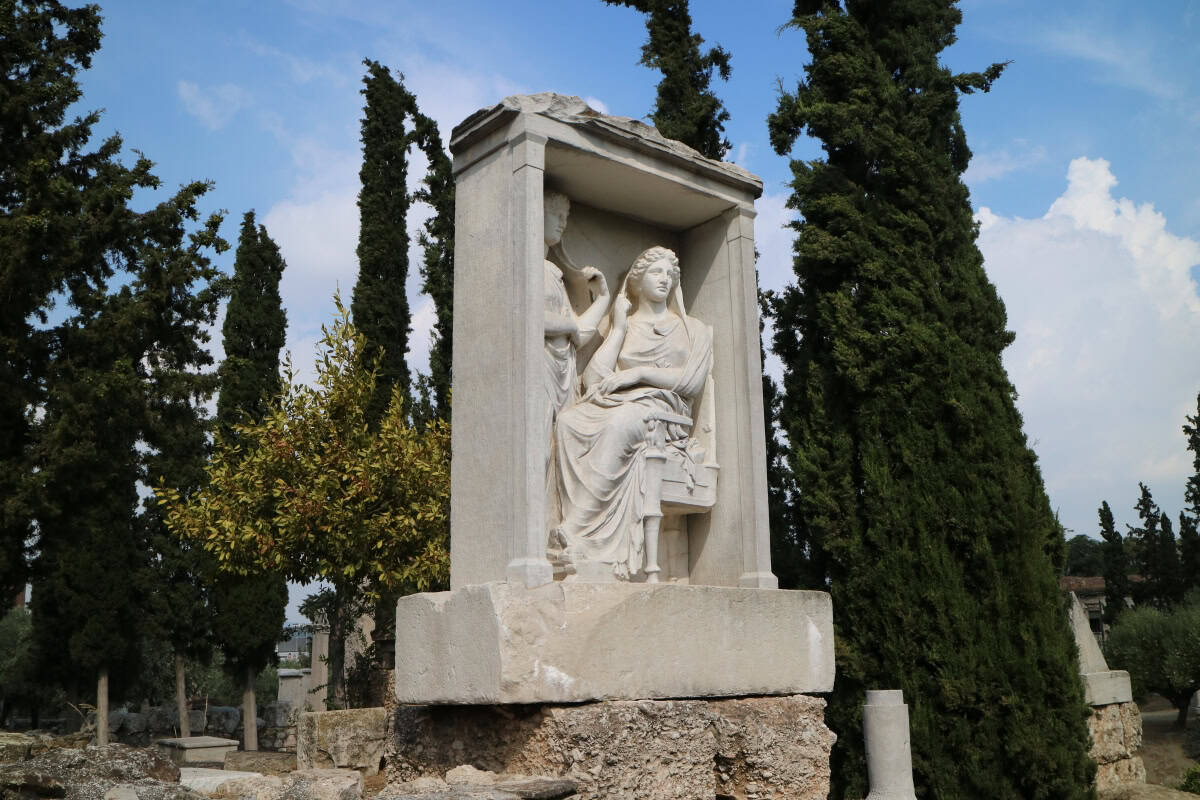
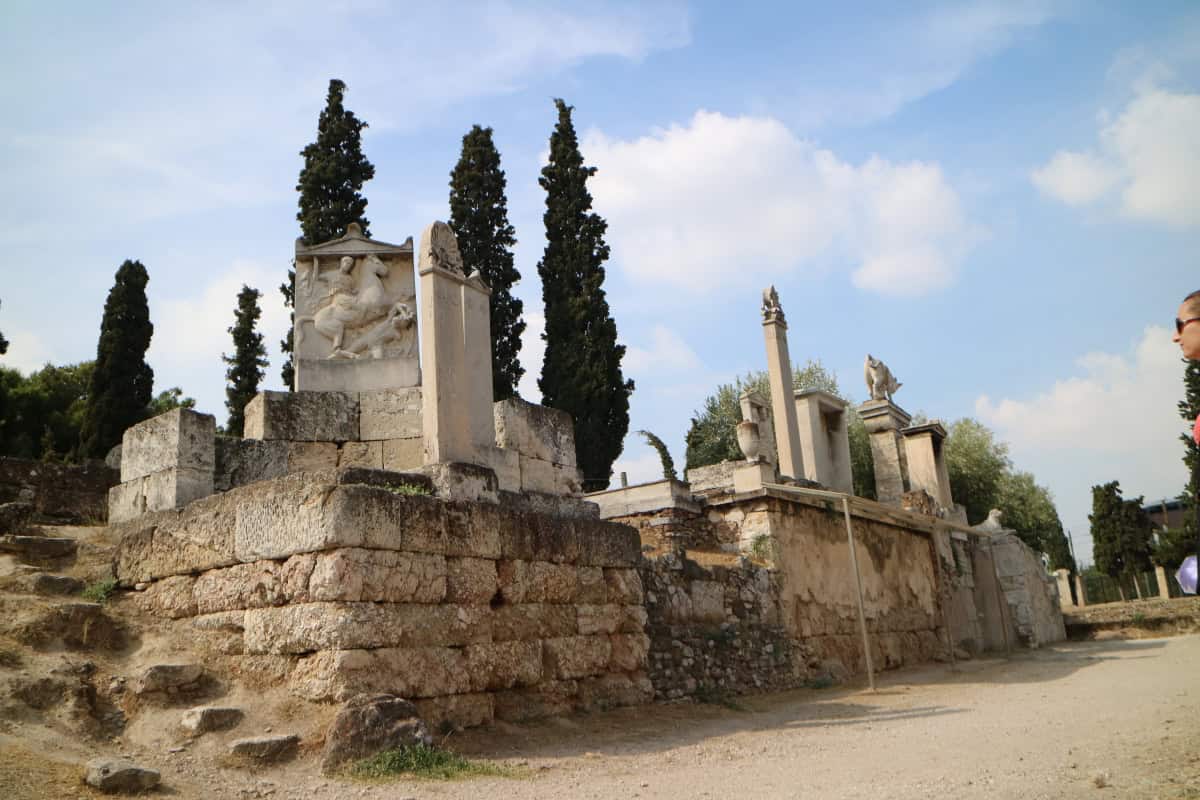
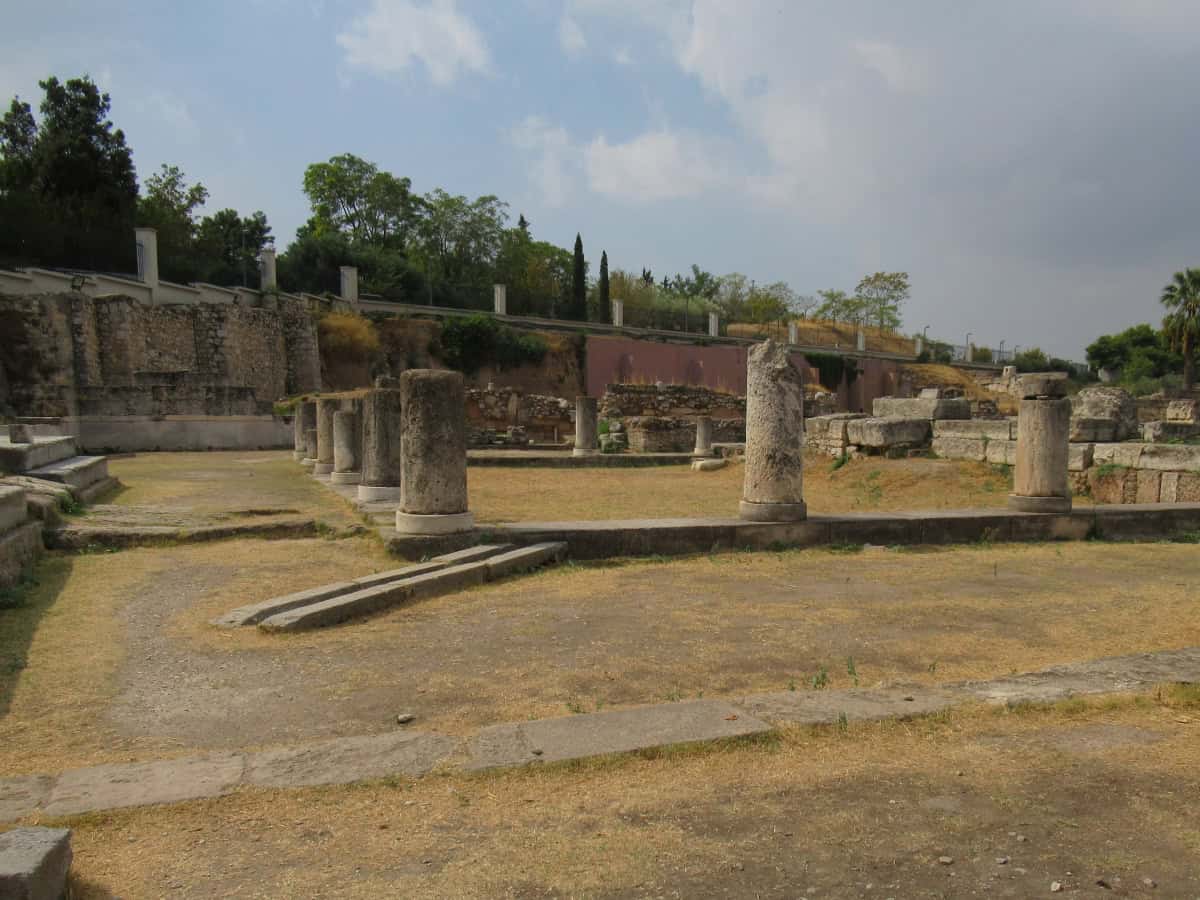
The Kerameikos Archaeological Site was one of the quietest places we visited in Athens. It’s not far from the city centre, but far enough off the main tourist trail that many visitors skip it, which makes it a peaceful spot to explore.
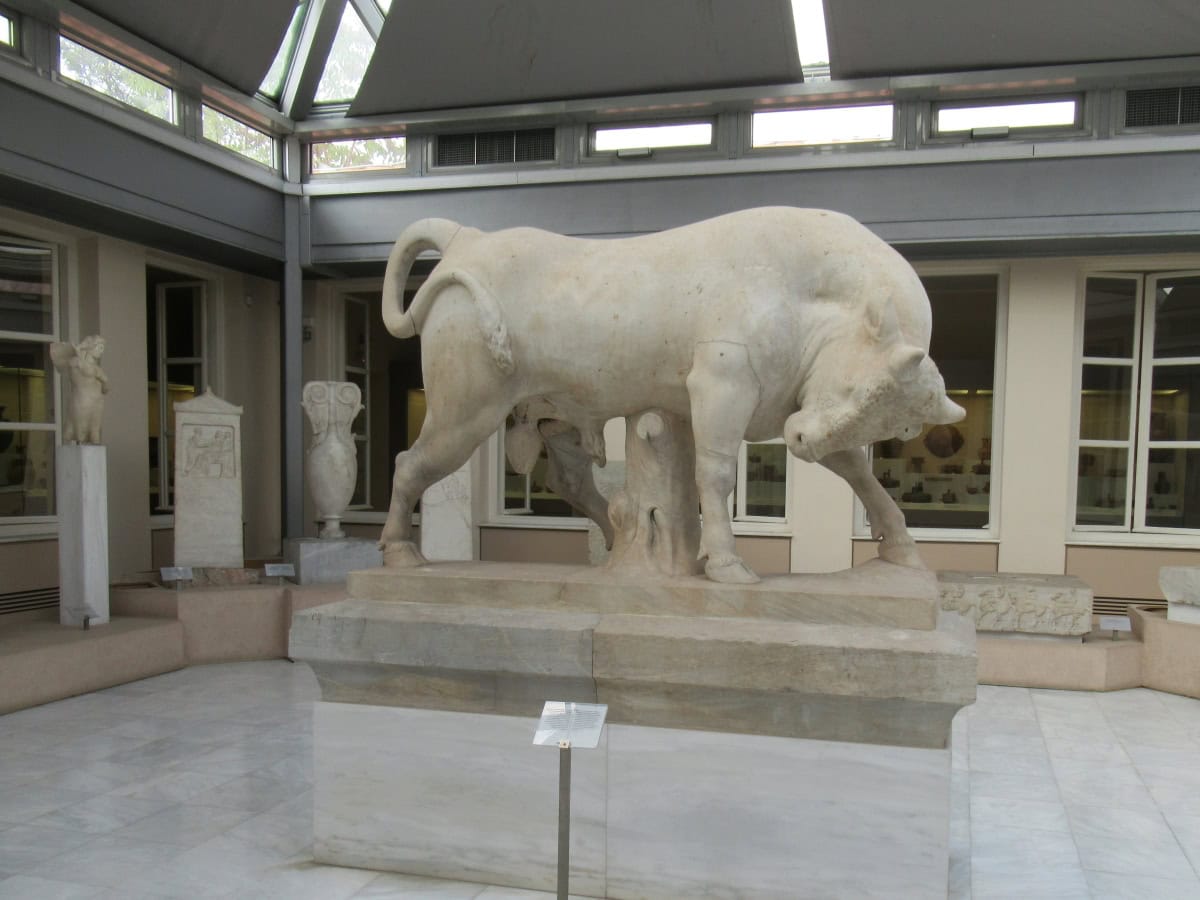
A small museum on-site displays finds from the excavations, including sculptures from tombs. The originals are preserved in the museum, while replicas on the tombs show how the area would have looked in ancient times.
I’d highly recommend a visit; the site’s history is fascinating, with some tombs dating back as far as 2700–2000 BCE. It’s a great place to appreciate Athens’ long and layered history without the crowds.
Temple of Olympian Zeus
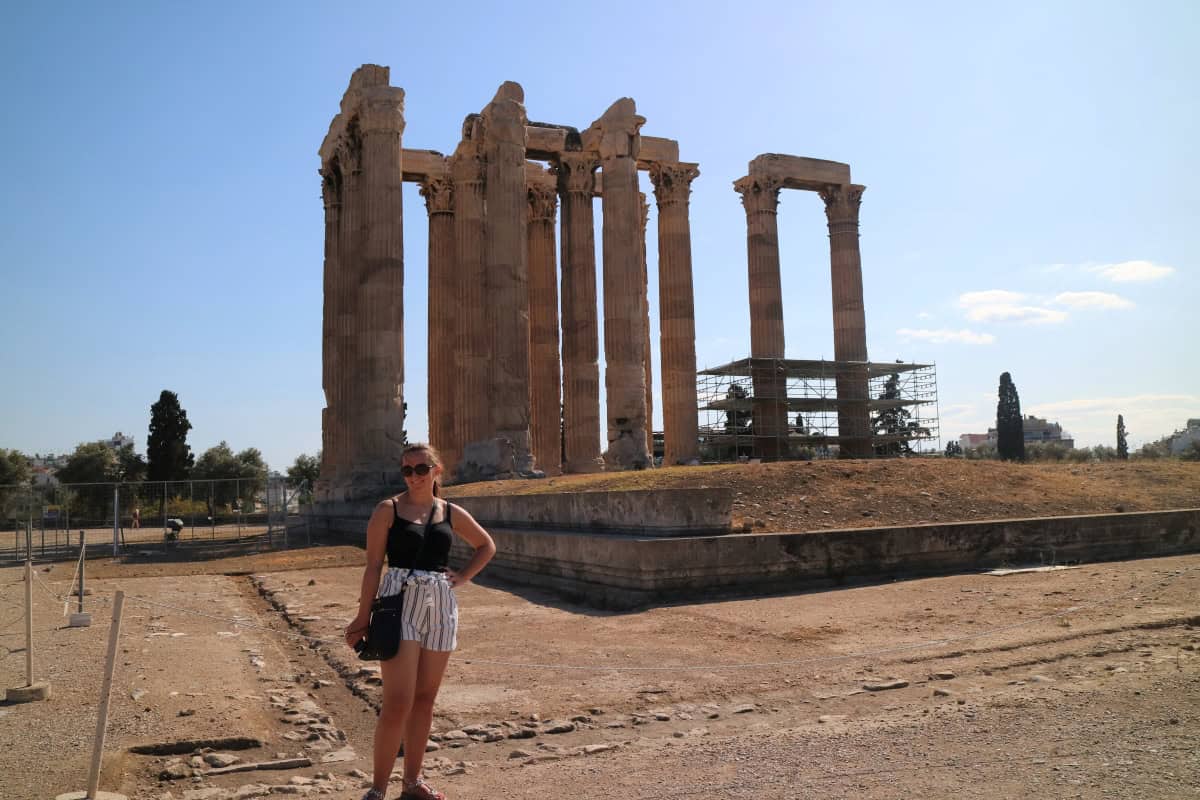
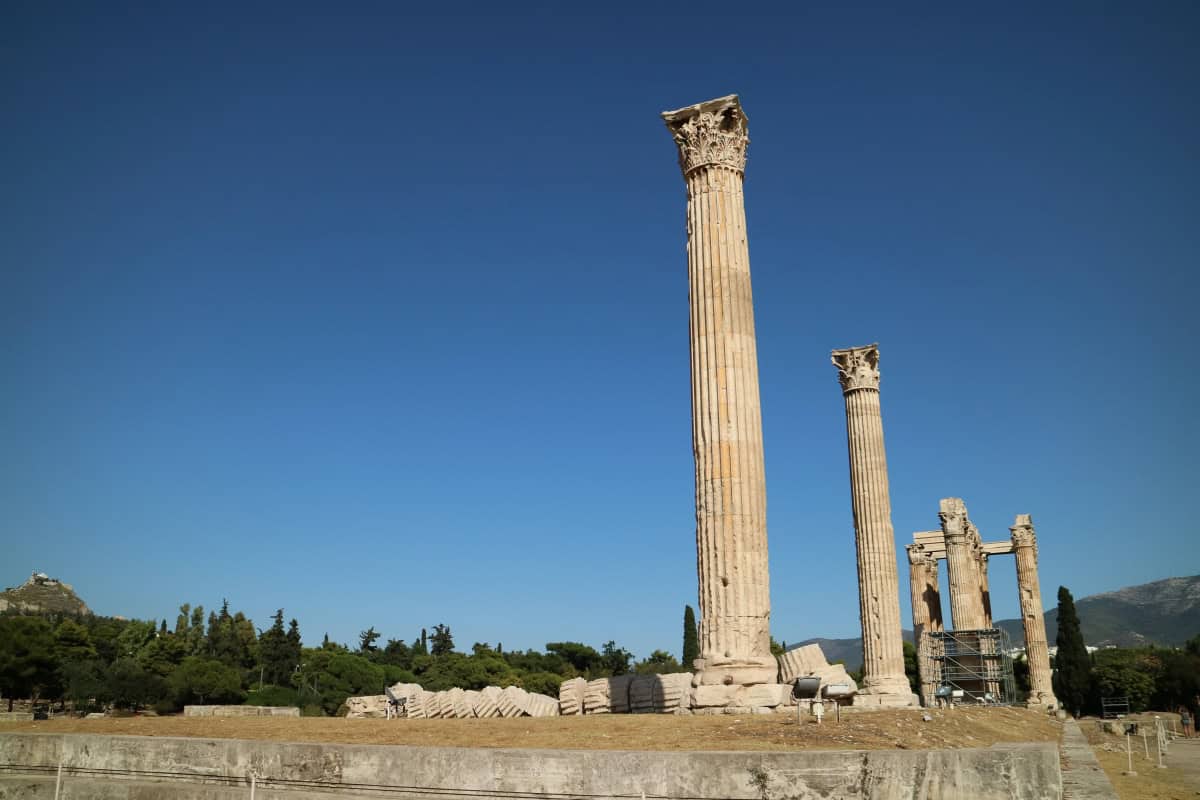
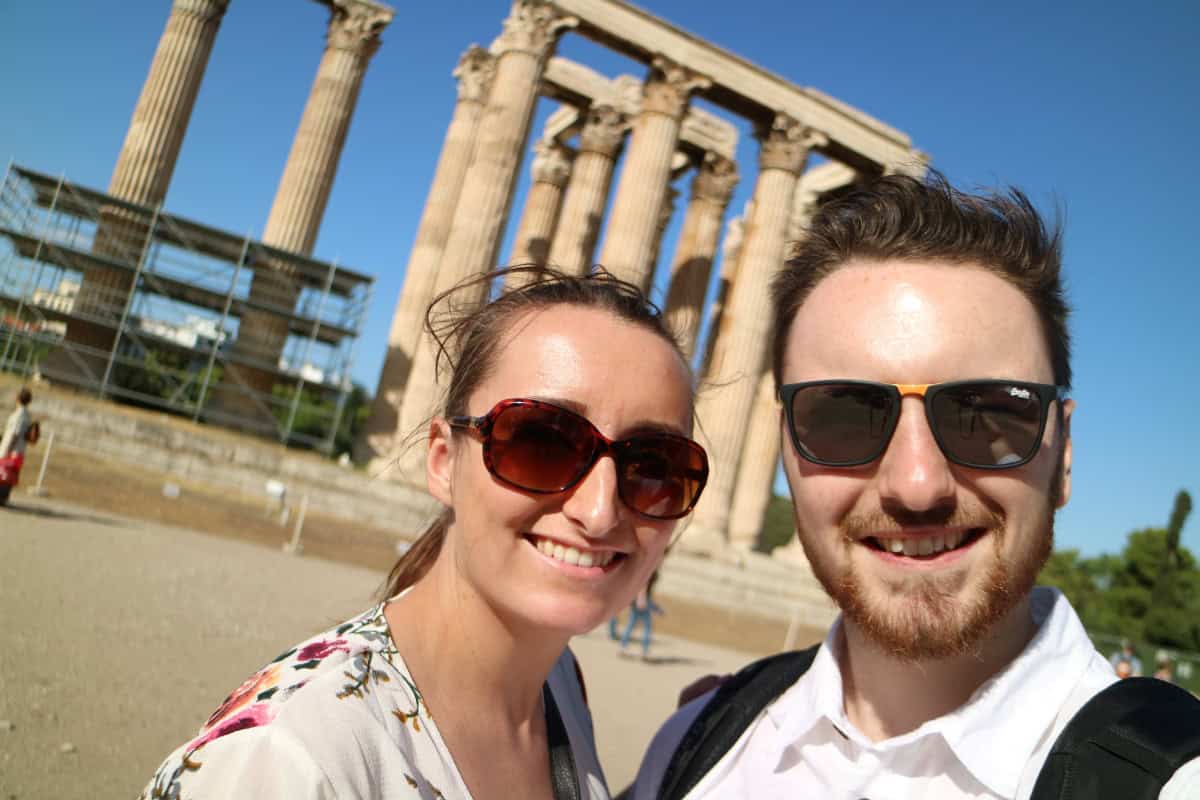
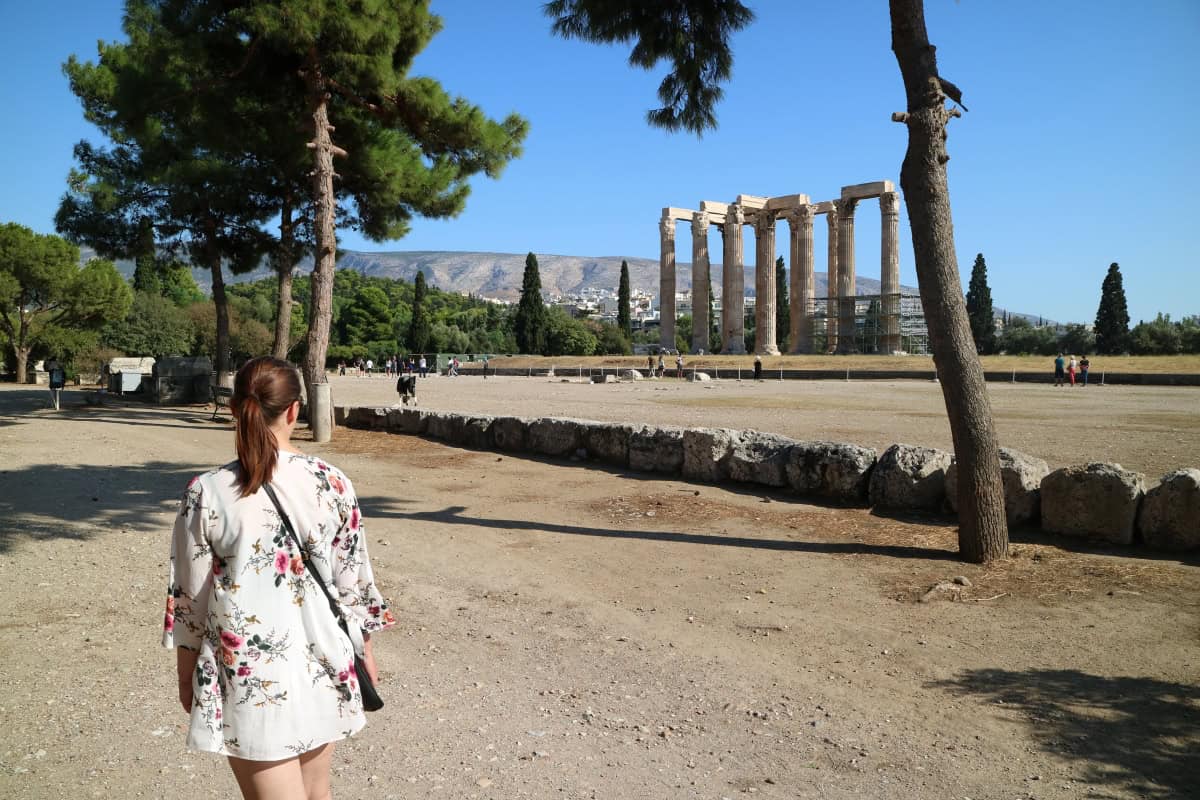
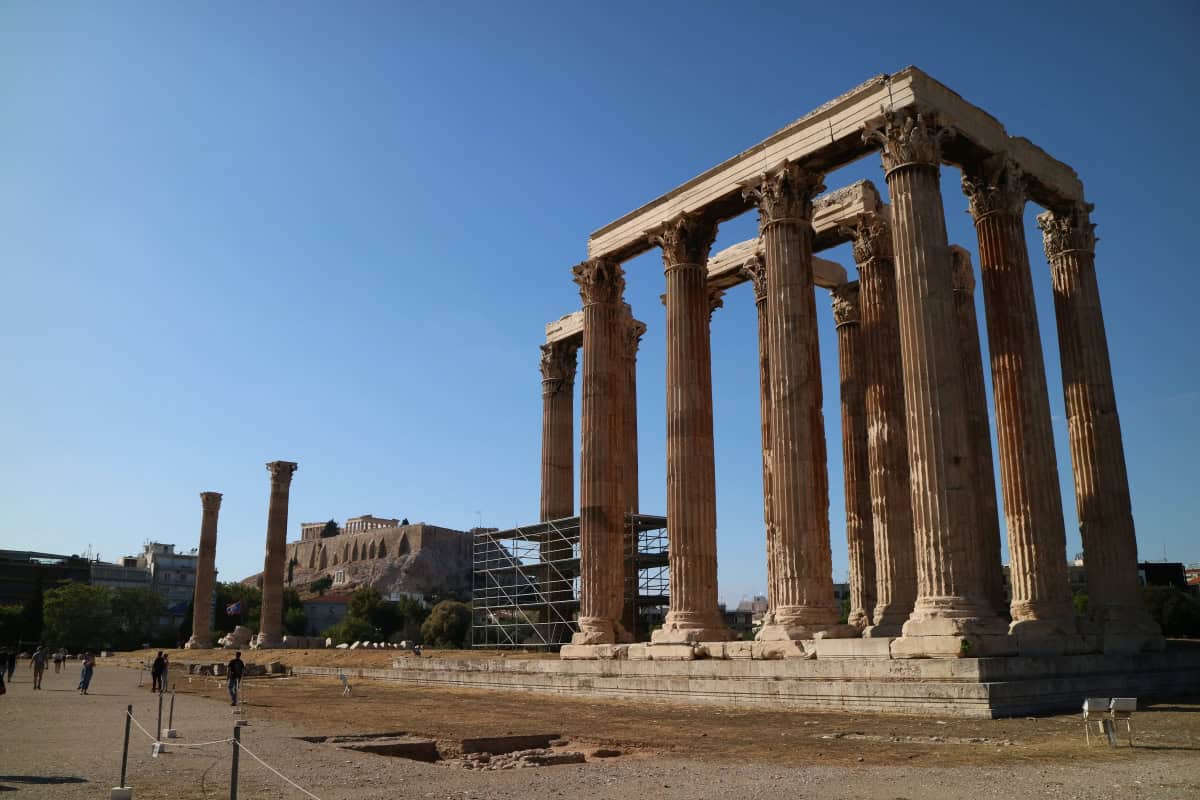
Some travellers say the Temple of Olympian Zeus can be underwhelming, but it’s hard not to be impressed by the sheer scale of this ancient structure. Even in ruins, the remaining columns convey the grandeur it once held.
I definitely recommend checking it out. Hadrian’s Arch, just outside the temple, can get quite busy, but the temple itself is usually very quiet, making it a pleasant spot for a leisurely walk.
There isn’t a lot of on-site information, but if you enjoy doing your own reading, it’s easy to learn more online. Even without extensive signage, the site is striking and gives a tangible sense of Athens’ monumental past.
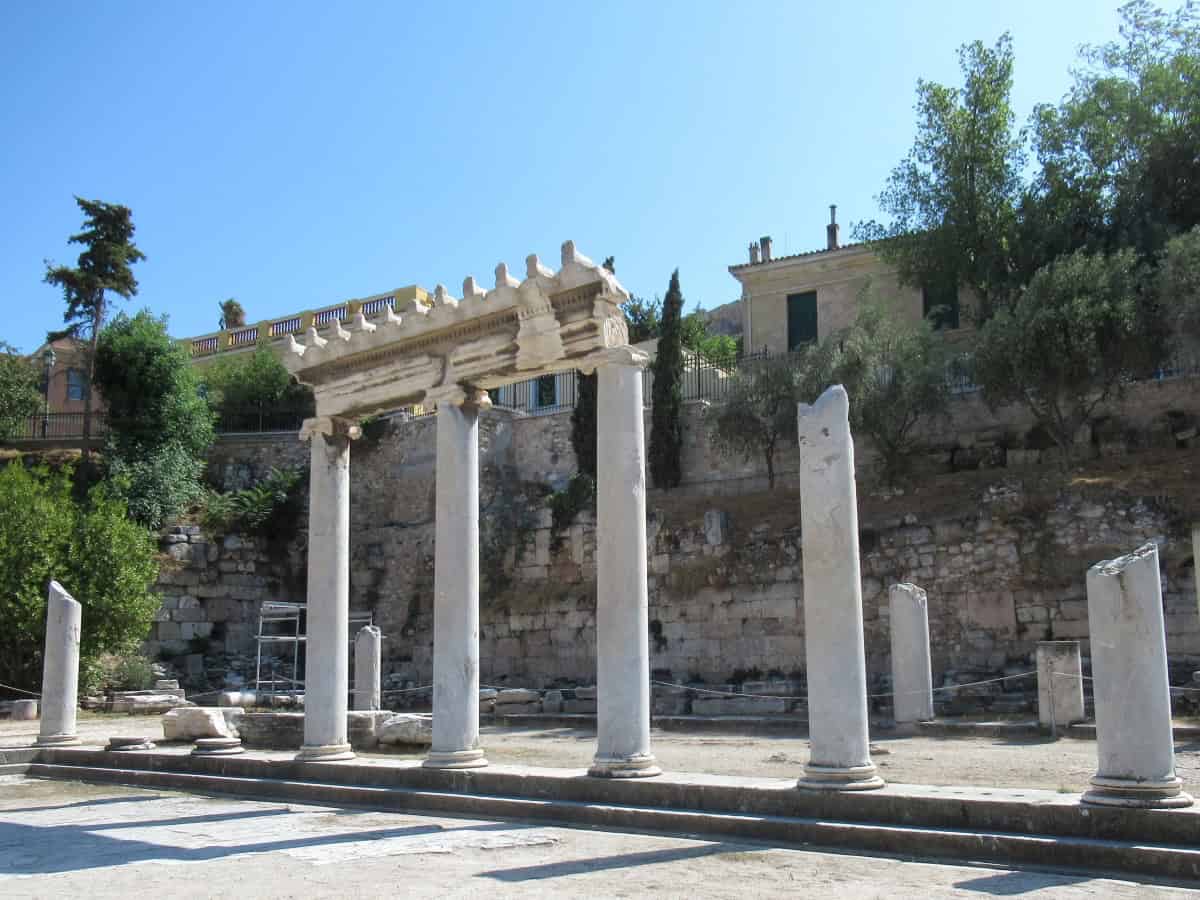
Roman Agora
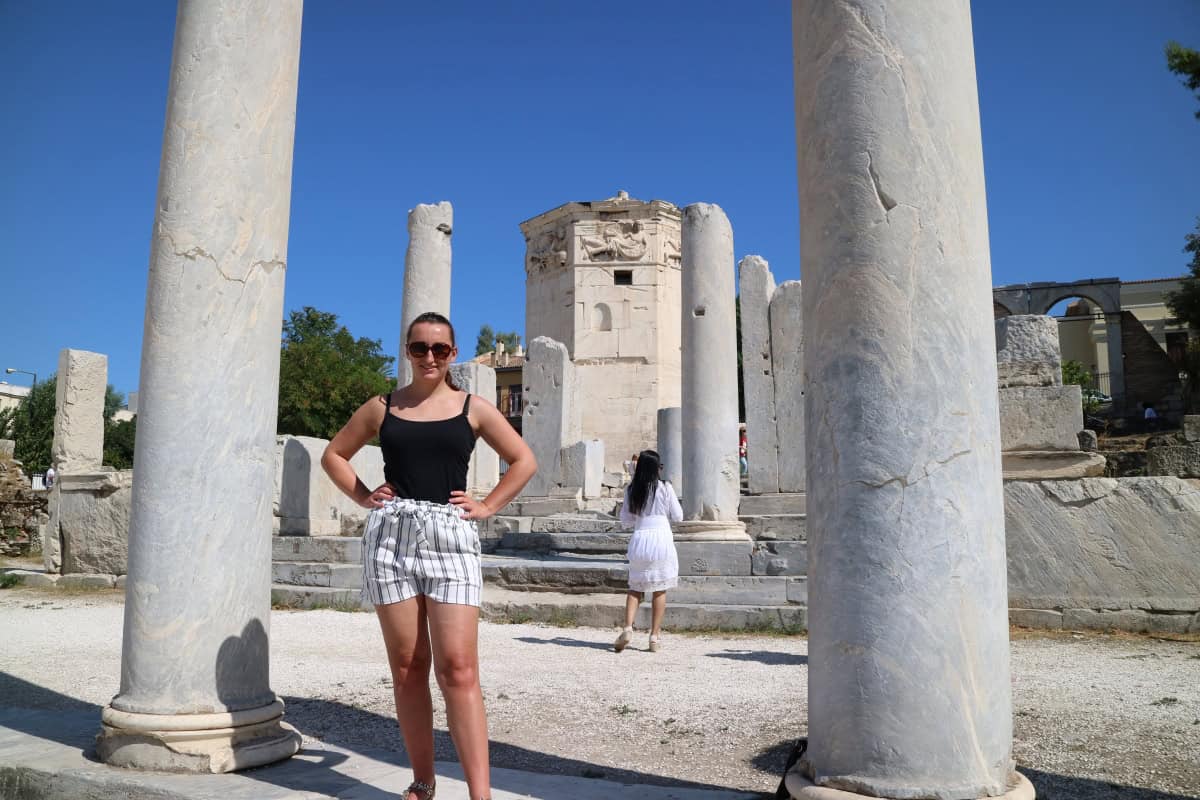
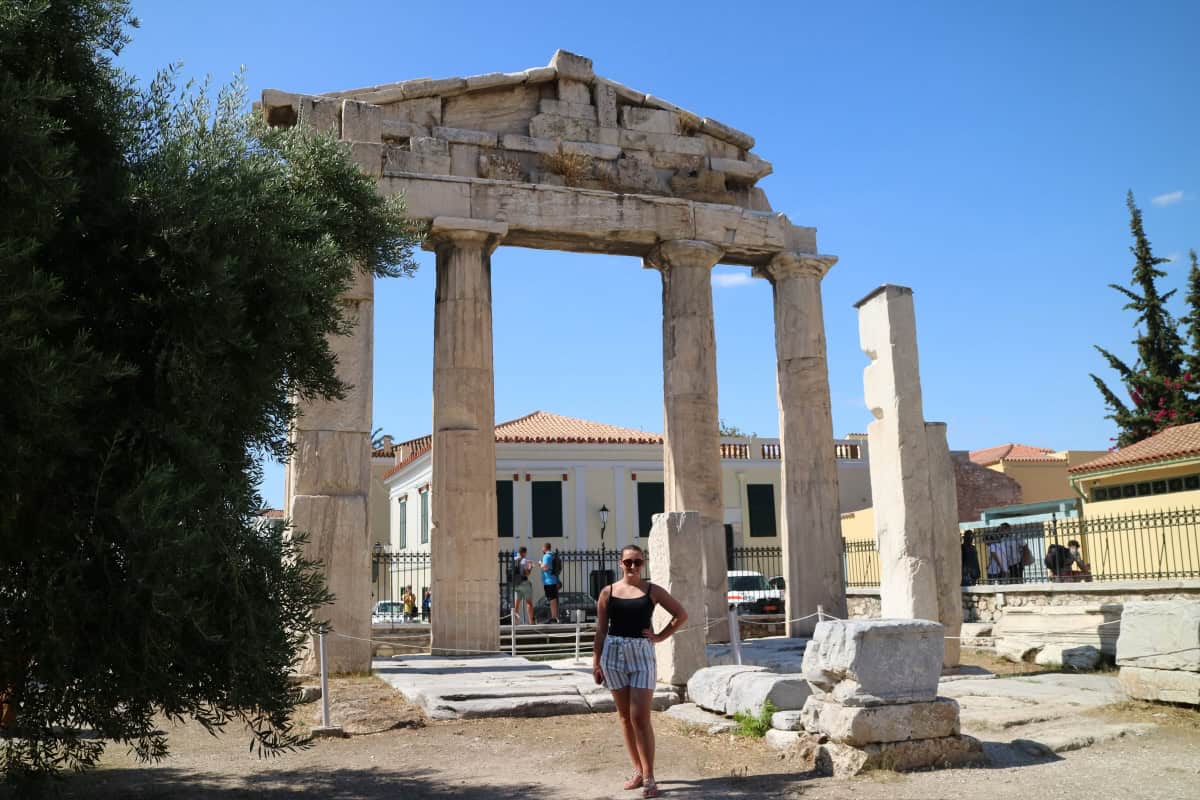
The Roman Agora served as Athens’ central market and is home to the Tower of the Winds, a structure that is believed to be the world’s first meteorological station.
You don’t need a lot of time here; about 30 minutes is plenty to explore the site. There isn’t a huge amount to see, but it’s still enjoyable to wander around and imagine how the marketplace would have looked in its heyday.
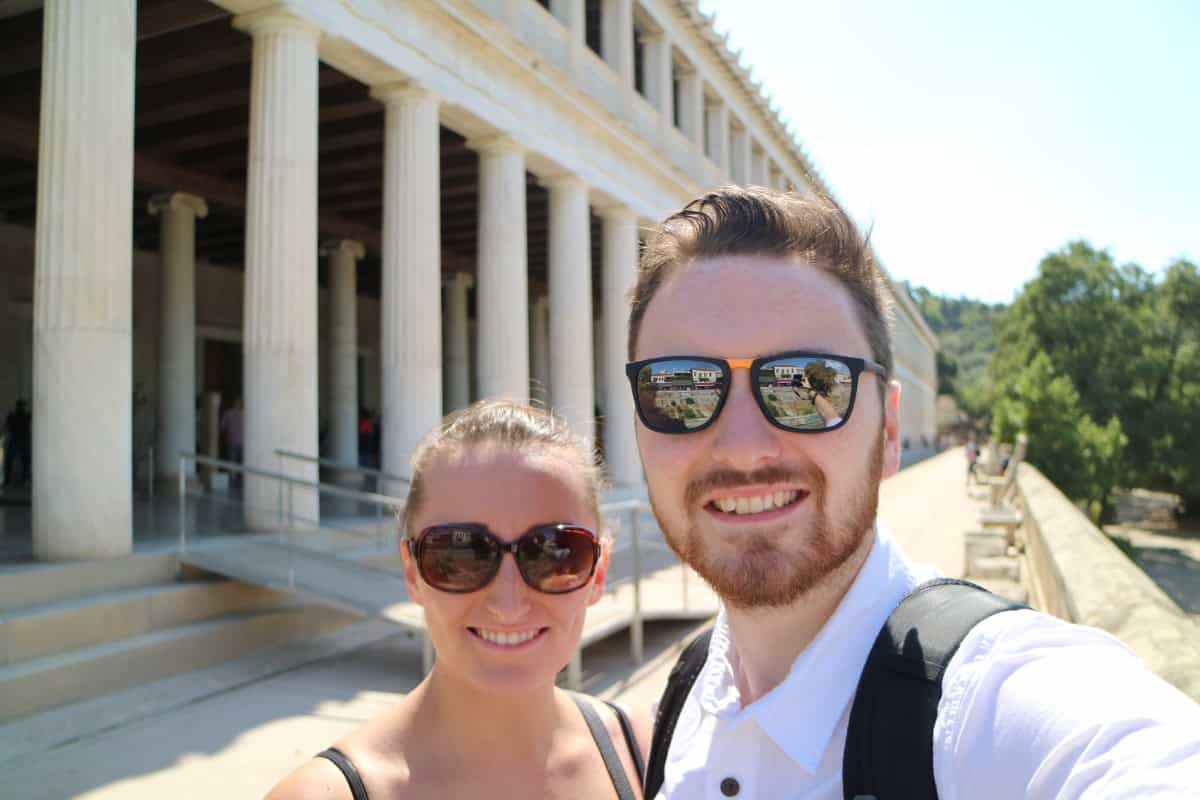
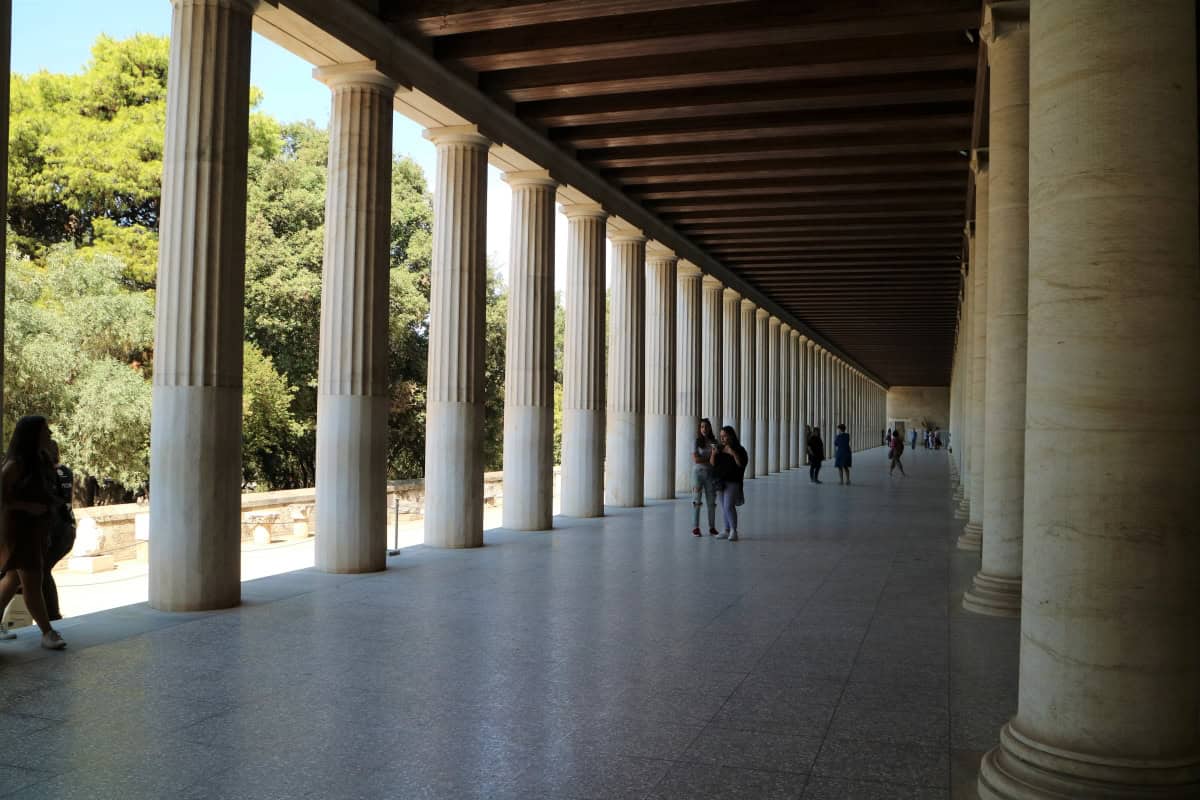
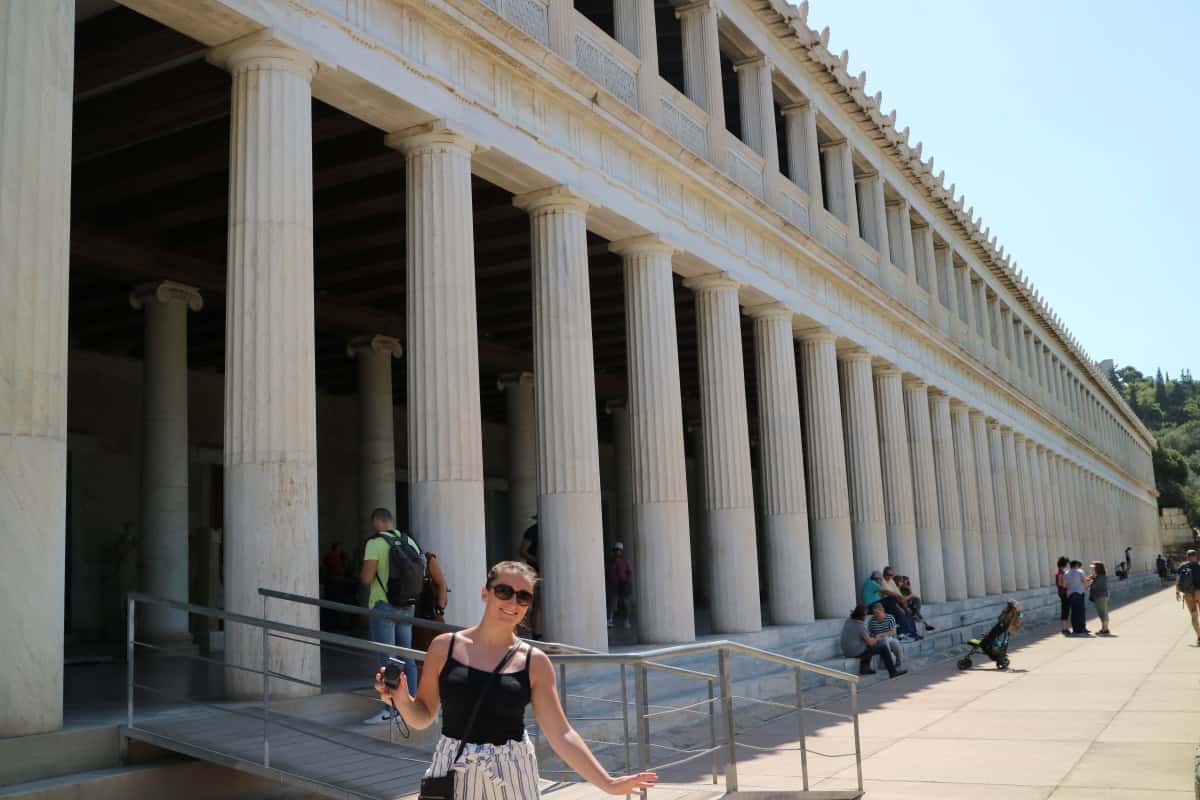
The Stoa of Attalos
Within the Ancient Agora is the Stoa of Attalos, a striking piece of classical architecture – can you tell I loved the columns?
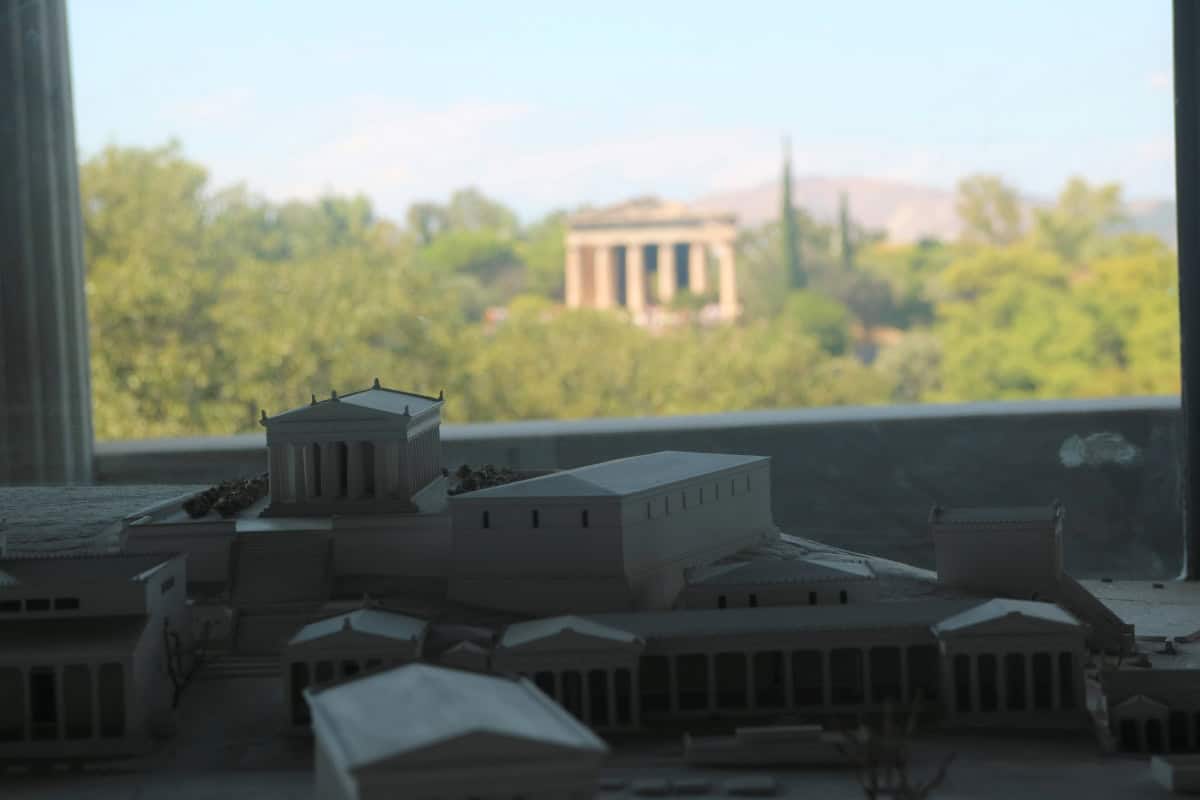
The Stoa now functions as a small museum, displaying statues, artefacts, and a detailed model showing how the Agora would have looked in ancient times.
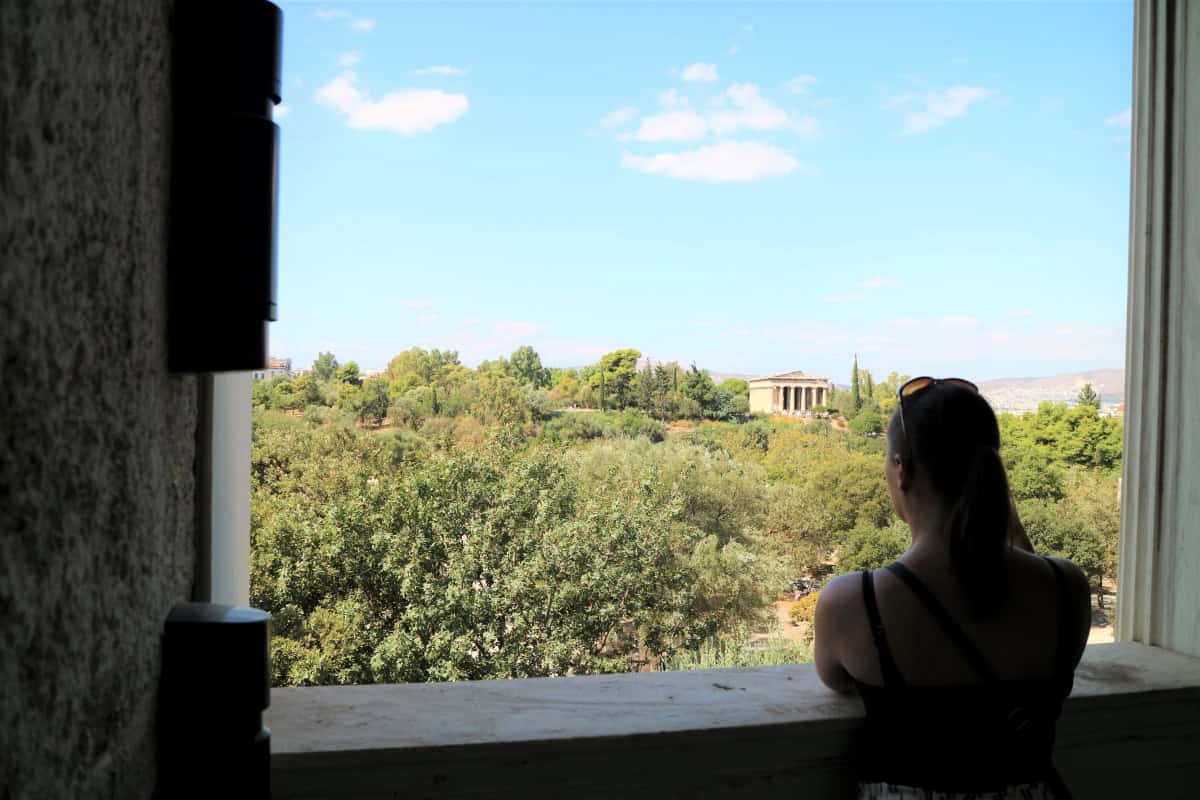
It’s definitely worth a visit. Exploring doesn’t take long, and from the top floor, you get lovely views of the Temple of Hephaestus. This combination of history, architecture, and scenic perspectives makes it a highlight of the Ancient Agora.
Temple of Hephaestus
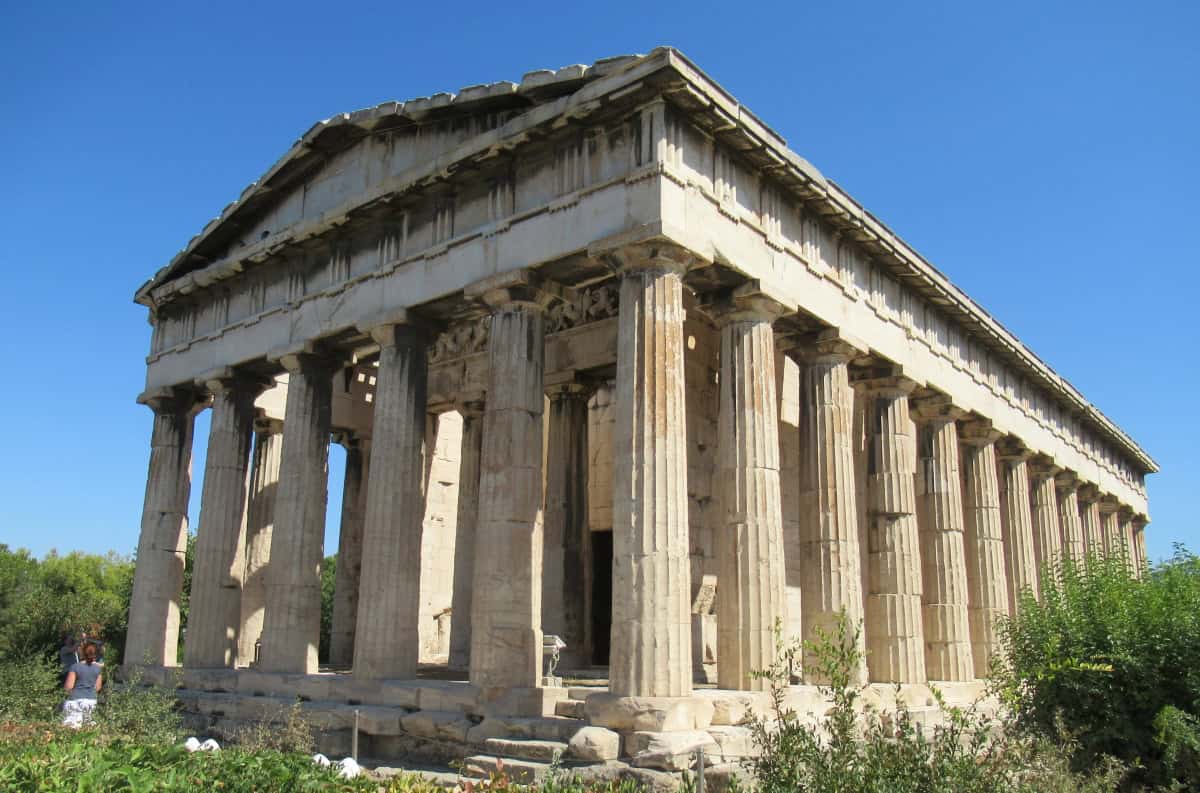
When visiting the Ancient Agora, don’t miss the Temple of Hephaestus, just a short walk from the Stoa of Attalos.
I’d recommend heading there earlier in the day, as the temple is relatively small and the area can feel crowded quickly. Even a brief visit gives you a great sense of its historical significance and the surrounding Agora.
Athens National Garden
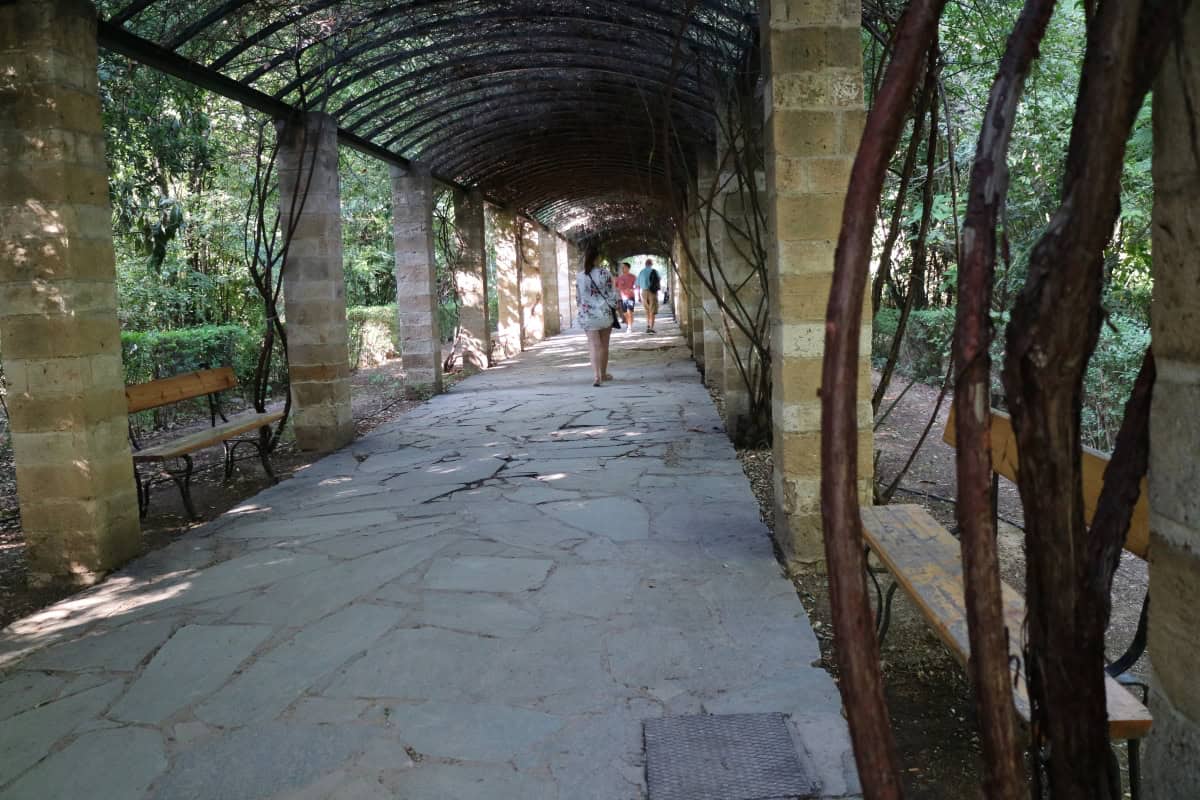
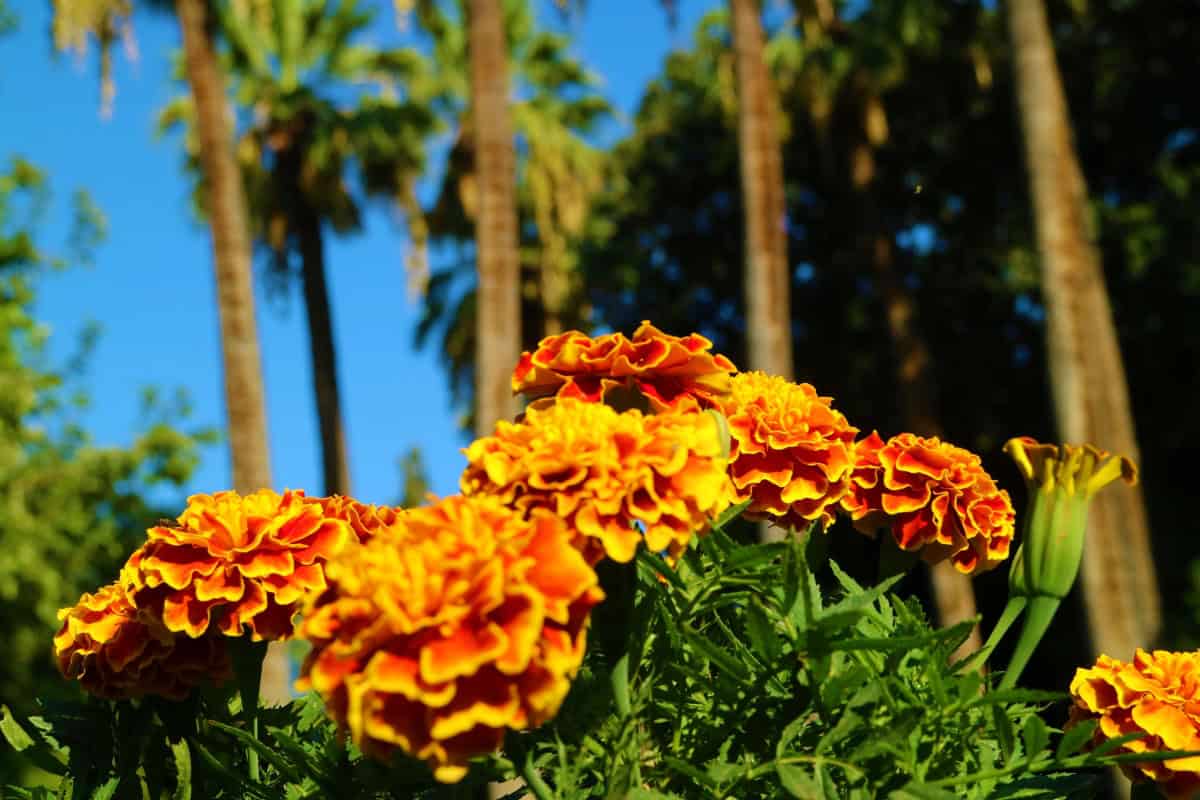
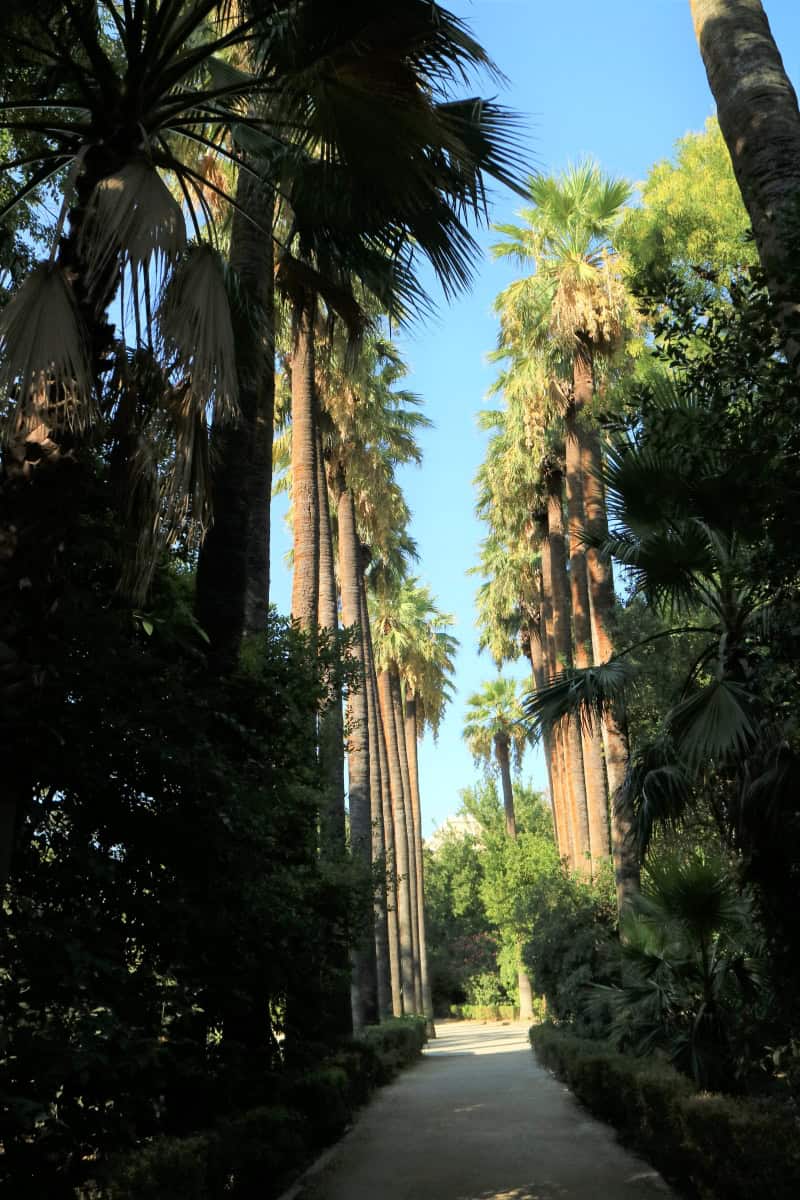
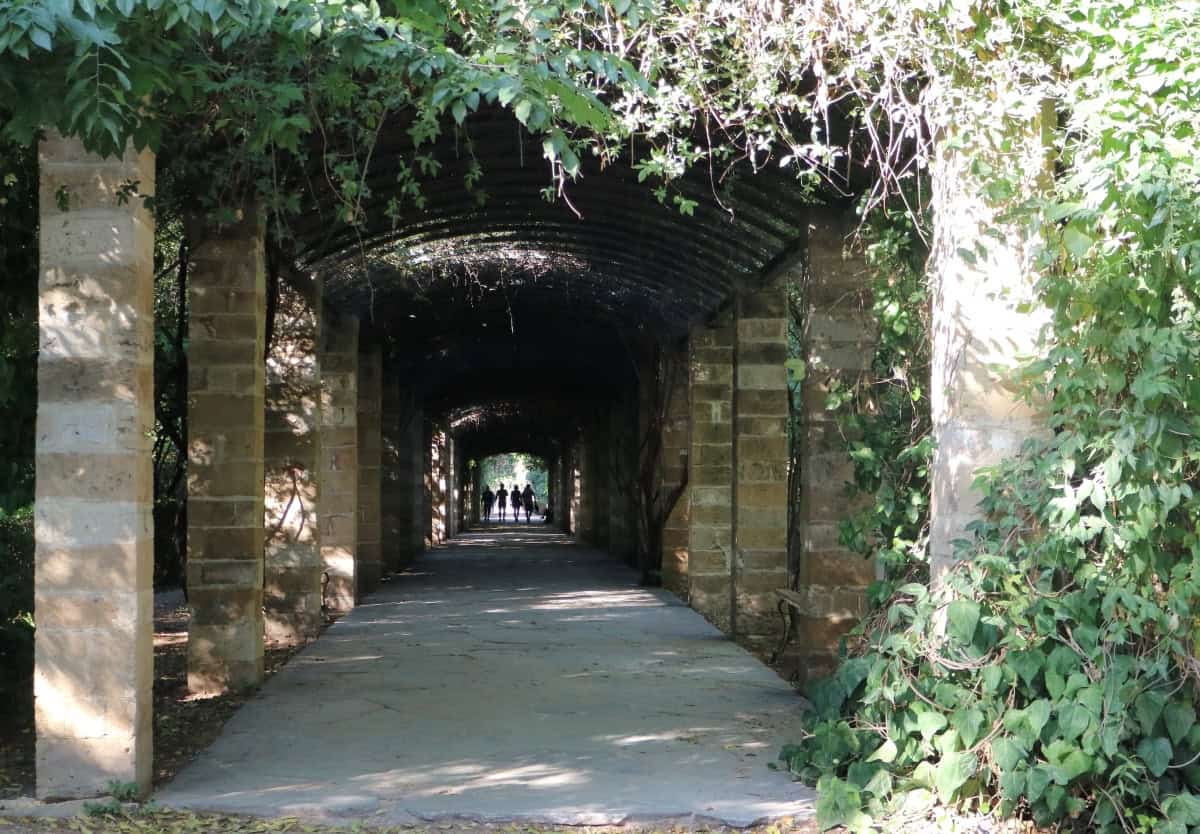
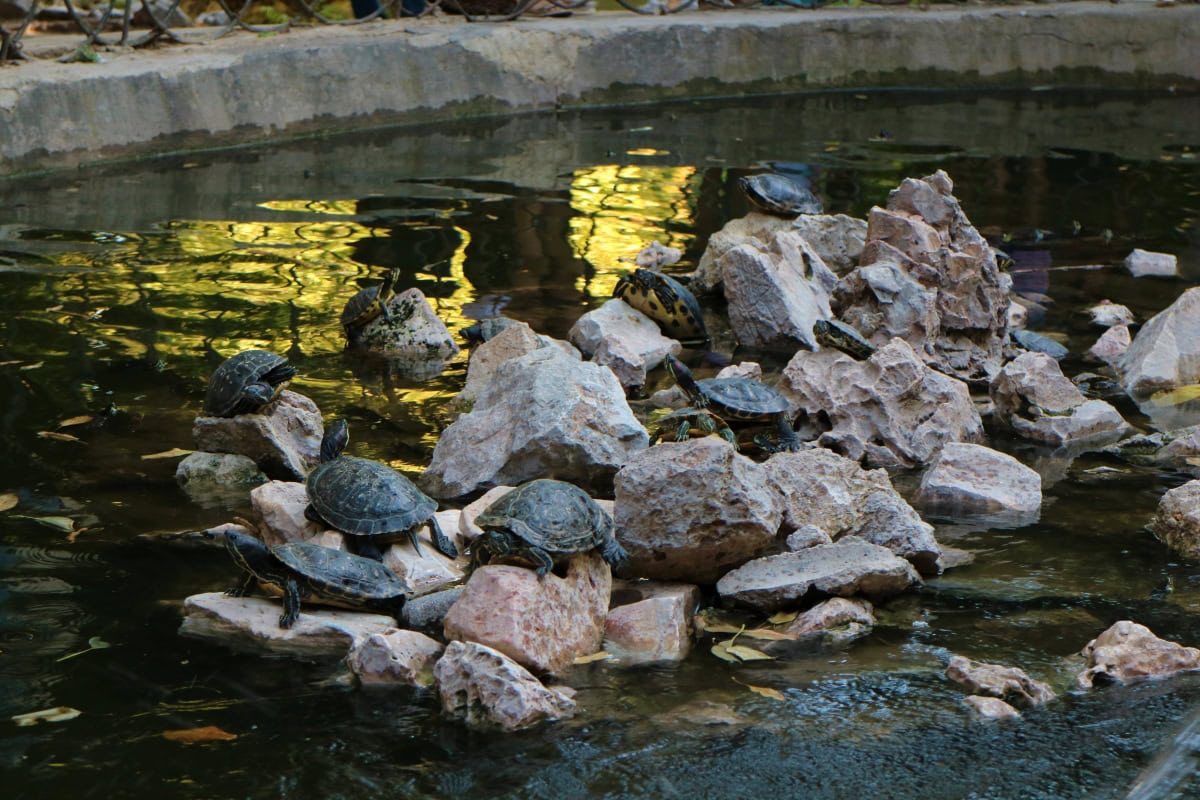
The National Garden of Athens is a peaceful retreat in the heart of the city, featuring a variety of trees, plants, and ponds. There’s even a small zoo to explore.
You can spend as much or as little time wandering around, making it a perfect way to take a break from sightseeing while still enjoying a bit of nature in Athens.
Piraeus Port Day Trip
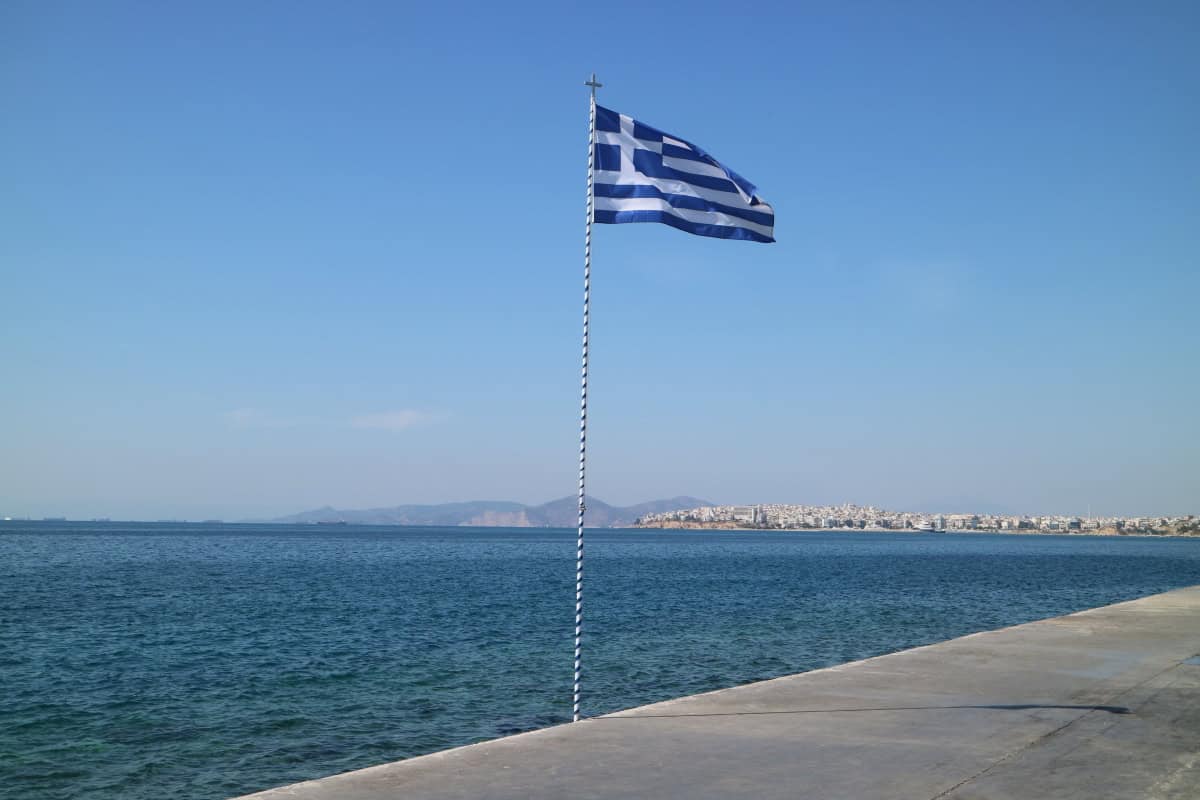
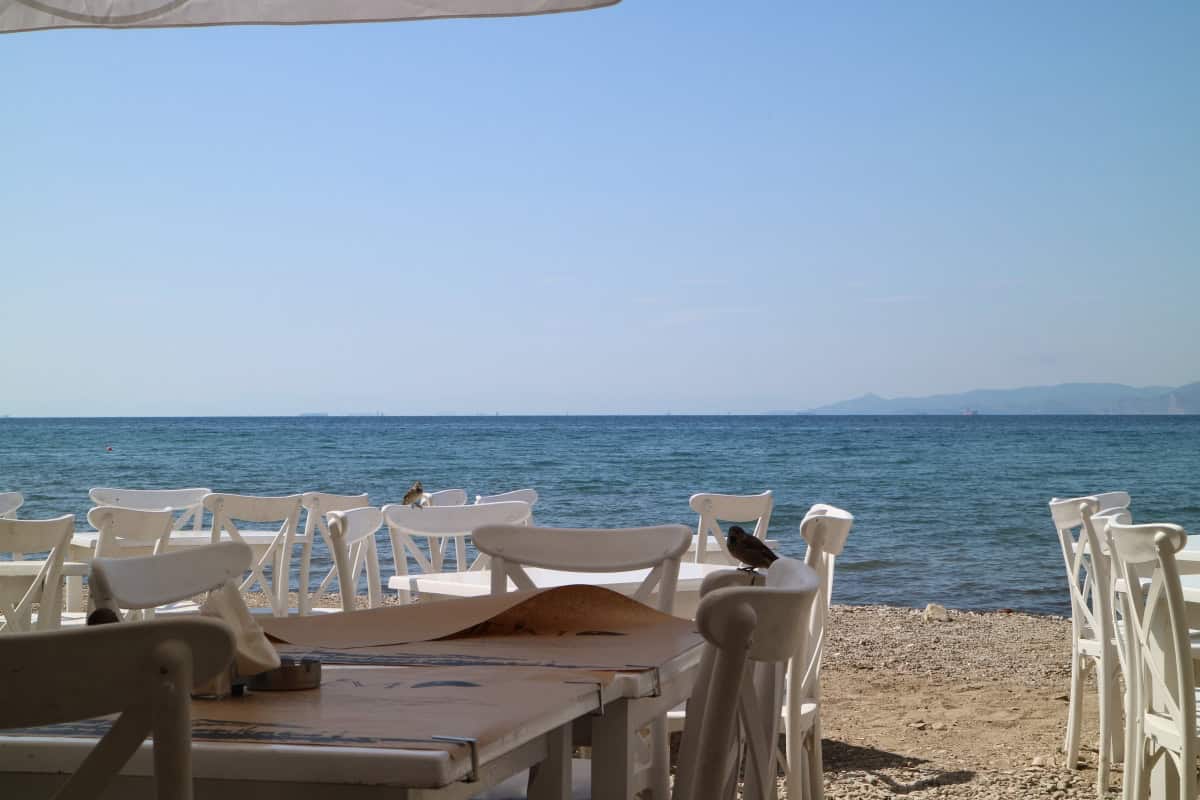
We decided to get out of the city for a day and took the metro from Petralona to Piraeus Port. From there, we walked to the end of Edem Beach, a quieter spot that’s perfect for a relaxing stroll and people-watching.
It’s a lovely way to escape the hustle of central Athens while still being easily accessible by public transport. You can spend as much or as little time here as you like. We enjoyed a leisurely walk along the beach before heading back into the city.
Philopappos Hill
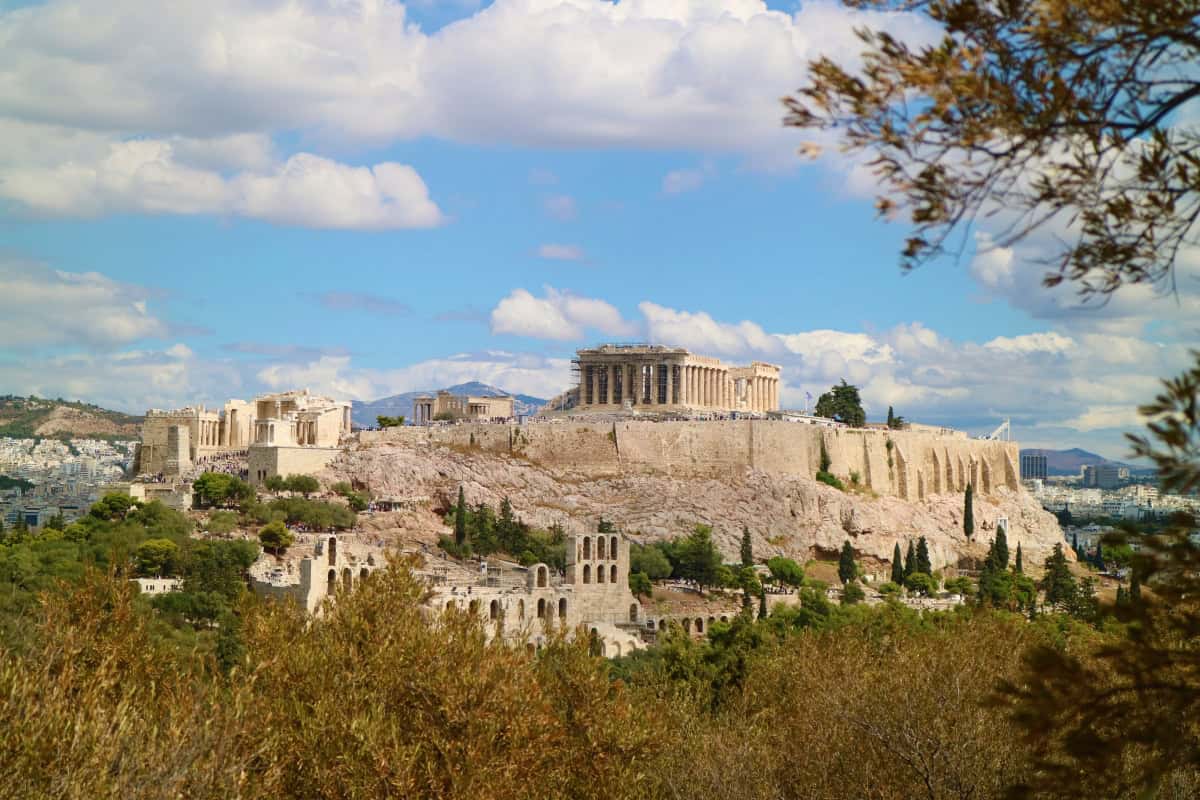
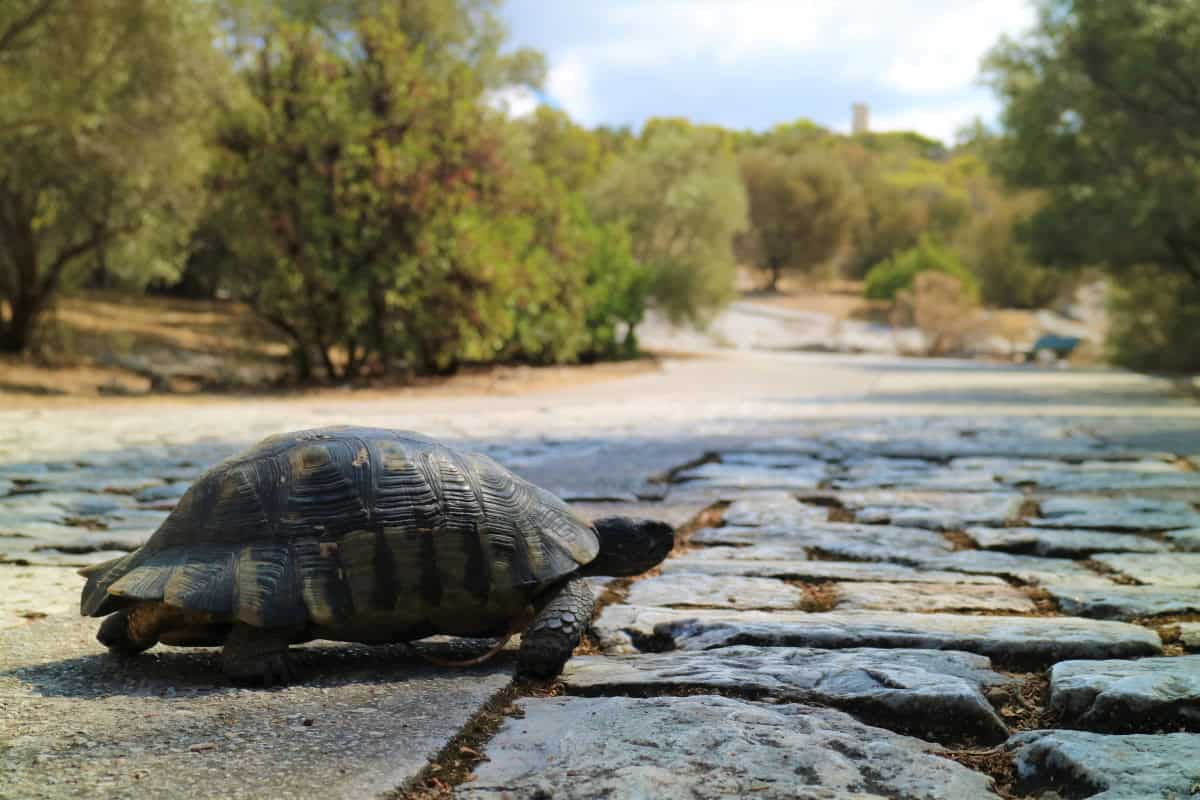
On our last day, we walked up Philopappos Hill, which offers a quiet route with plenty of greenery and even some tortoises along the way.
At the top, the monument attracts more visitors, so it can get busy with people taking photos of the view. If you want a quieter spot for pictures, there’s a less crowded viewpoint a little further along the path.
Changing of the Guard
The Changing of the Guard happens every hour of every day at the Monument of the Unknown Soldier. On Sundays at 11am, there’s an official ceremony with soldiers in full ceremonial dress.
It’s fascinating to watch; we were intrigued by the precision of their movements. After standing still for an hour, the guards slowly march to protect their blood circulation, which I found to be a very interesting detail.
John Cleese
When we booked our flights, we noticed John Cleese: Live at the Acropolis was taking place, so we grabbed tickets, and it turned out to be a really fun evening.
I’d recommend checking what events are on while you’re in Athens, as the city often hosts concerts, performances, and cultural shows. If the event is held at the Odeon of Herodes Atticus, bring an extra layer; it can get chilly once the sun goes down.
Athens Combined Attraction Ticket
Ticket prices can add up, so when we visited Athens, we bought the combined ticket for €30 each, which included entry to the Acropolis & Slopes, Ancient Agora, Roman Agora, Hadrian’s Library, Kerameikos Archaeological Site, Temple of Olympian Zeus, and Aristotle’s School. It was valid for five days from first use, giving us plenty of time to explore the main attractions at a relaxed pace.
Unfortunately, this ticket is no longer available. It was a great choice at the time – we were able to skip ticket queues and head straight into each site.
Staying Safe
Like many major cities, Athens has its share of scams, and it’s worth being aware of them while exploring.
One scam we encountered was the “friendship bracelet” trick. Someone approaches you offering a free bracelet, and once it’s on your wrist, they ask for money. In our case, they claimed they needed funds to buy instruments for a performance in Monastiraki Square. One small perk: wearing the bracelet seemed to deter further approaches for the rest of our trip.
Another common tactic involves flowers. Women on the main tourist streets sometimes hand a flower to visitors, occasionally forcing it, and then demand payment, refusing to take it back.
As with travel anywhere, it’s important to stay alert and keep your wits about you while enjoying the city.
Frequently Asked Questions
Absolutely not! A week gives you plenty of time to explore Athens’ main sights, enjoy the city at a relaxed pace, and even fit in a day trip to Delphi.
Yes, Athens is very walkable. Most top attractions are within easy walking distance, with public transport for when your feet need a break.
It depends on what “done” means to you. Two days would cover the Acropolis and its main highlights, but a week allows you to explore archaeological sites, scenic viewpoints, and even enjoy a couple of lazy days on the balcony.
It is highly recommended to buy Acropolis tickets in advance, as more popular time slots will sell out quickly. It is also advised to join the queue 15 minutes before your time slot.
The best time would be the shoulder seasons, so consider April to May and September to October. You’ll have cooler temperatures than the summer months, and there will be fewer tourists.
